
 2 weeks ago
18
2 weeks ago
18
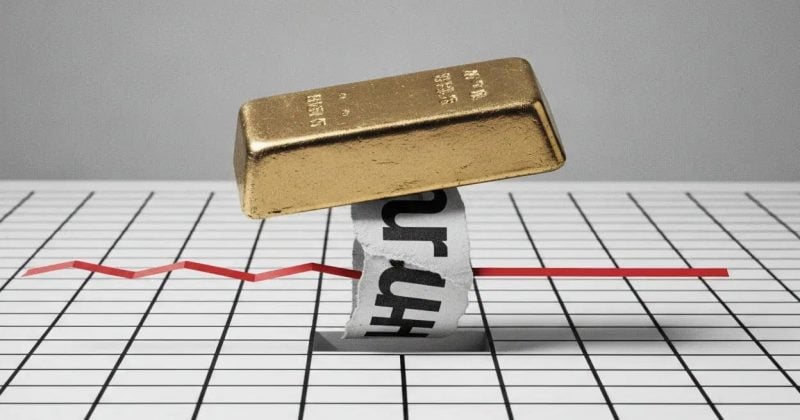
The South Korean won just hit a level that carries some uncomfortable historical baggage. Trading at 1,557 per US dollar, and briefly touching an intraday low of 1,561.5 on June 6, the currency is now at its weakest point since March 2009, when the world was still digging out of the global financial crisis.
The roughly 15% decline over the past year has been driven by a familiar cocktail: foreign investors selling Korean equities in size, strong US economic data propping up the dollar, and a general risk-off mood that tends to hit emerging market currencies hardest. South Korean authorities have pledged to step in and curb excessive volatility, but so far the won hasn’t gotten the memo.
What’s driving the sell-off
Foreign investors have been dumping billions in Korean equities, creating relentless downward pressure on the won. When overseas funds sell Korean stocks and repatriate their capital, they’re effectively selling won and buying dollars.
South Korean authorities recognized the severity of the situation as early as June 4, when they pledged action to mitigate excessive currency moves as the won approached 1,540 levels. That intervention talk briefly steadied things. Then the currency blew right past 1,540 and kept going.
As of July 1, the USD/KRW rate was sitting around 1,558 to 1,559, suggesting the government’s verbal interventions haven’t been enough to reverse the trend.
The 2009 comparison matters
Today’s situation is different in important ways. South Korea’s foreign exchange reserves are substantially larger than they were in 2009. The banking system is better capitalized. And the global economy, while uncertain, isn’t experiencing the kind of systemic meltdown that characterized the financial crisis.
South Korea’s economy is also structurally different from most emerging markets in ways that make currency weakness particularly painful. The country is a major importer of energy and raw materials, both priced in dollars. A weaker won means higher input costs for Korean manufacturers, which can squeeze margins even as exports become theoretically cheaper.
What this means for investors
For anyone with exposure to Korean assets, the won’s decline is eating into returns in dollar terms. A Korean stock that’s flat in won terms is actually down 15% for a dollar-based investor over the past year. That math has been pushing foreign capital out the door, which in turn weakens the won further.
Disclosure: This article was edited by Editorial Team. For more information on how we create and review content, see our Editorial Policy.















 English (US) ·