
 1 month ago
24
1 month ago
24
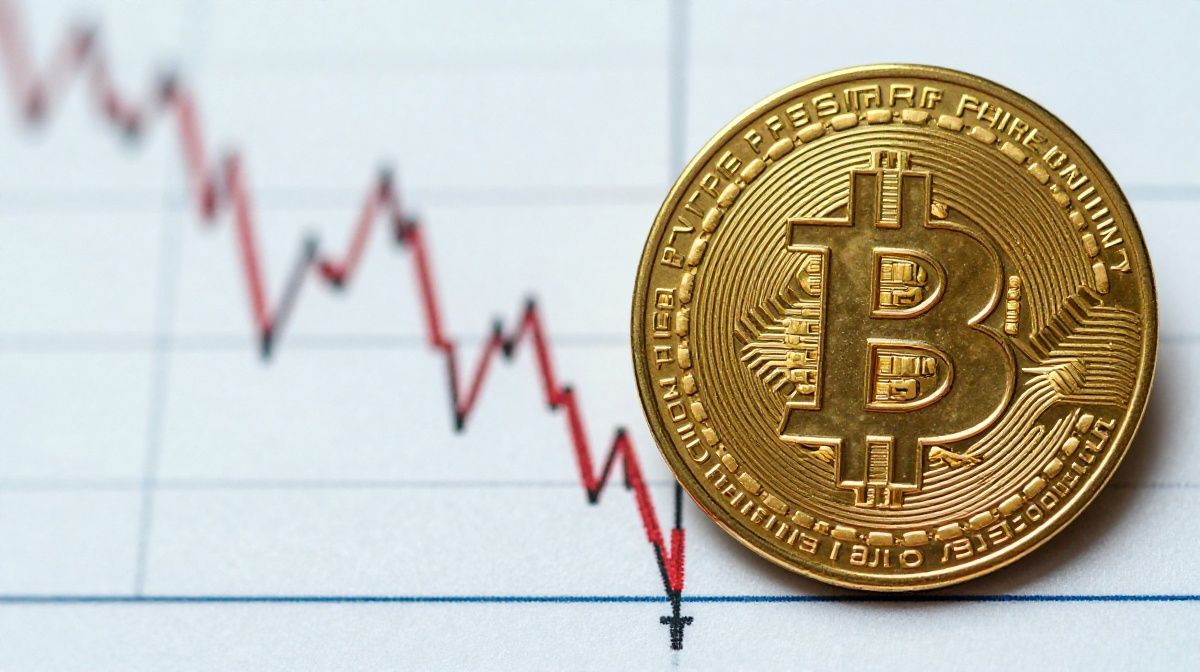
Bitcoin just went on a round trip that would make a day trader’s head spin. US airstrikes on Iran early this week sent the largest cryptocurrency tumbling below $73K, only for prices to rebound near $74K after former President Trump posted that the naval blockade around the Strait of Hormuz is lifting and the waterway must reopen immediately.
The whiplash was swift, dramatic, and increasingly familiar. Geopolitics, not Fed minutes or CPI prints, has become the dominant force moving crypto markets.
The sell-off, the post, the reversal
Here’s what happened. US military strikes targeting Iran rattled global markets earlier this week. Bitcoin, which crypto maximalists love to call “digital gold” and a safe haven, did what it usually does when actual geopolitical risk arrives: it sold off.
BTC dropped below $73K as traders scrambled to reduce exposure across risk assets. The Strait of Hormuz, a narrow chokepoint through which roughly a fifth of the world’s oil supply flows, became the center of global anxiety. A prolonged blockade there doesn’t just mean higher gas prices. It means supply chain chaos, energy market disruption, and the kind of uncertainty that sends capital sprinting toward actual safe havens like Treasuries and cash.
Then Trump took to social media. His message was blunt: the naval blockade is lifting and the Strait must reopen immediately. Whether that declaration had any direct causal effect on military operations is a separate question entirely. What it did have was an immediate effect on markets.
Bitcoin climbed back near $74K. Ethereum pushed above $2K. Solana recovered to $82. XRP settled near $1.30. In the span of days, billions in market value evaporated and then rematerialized, driven almost entirely by headlines about a shipping lane most crypto traders probably couldn’t locate on a map two years ago.
The fear is real
Don’t let the price recovery fool you into thinking everything is fine. The Crypto Fear and Greed Index sits at 23, deep in “Extreme Fear” territory. That’s down from 28 just a week ago, which was already classified as “Fear.”
In English: even after the bounce, sentiment is about as grim as it gets without an actual exchange collapse or regulatory nuke. Traders may have bought the dip, but they’re not exactly feeling great about it.
Bitcoin’s 24-hour change clocked in at +1.2%, according to CoinGecko data, which looks perfectly reasonable until you zoom out. The seven-day change tells a different story: -4.6%. Ethereum fared slightly better on a daily basis at +1.9%, and Solana posted a +1.7% 24-hour gain. But these numbers mask the volatility underneath. A 1% daily gain after a multi-percent plunge isn’t a recovery. It’s a dead cat doing light cardio.
The top-performing crypto category over the past seven days was DeFi, which managed a grand total of 0.0% change. That’s not a typo. The best-performing corner of the market essentially broke even. When breaking even counts as outperformance, you know the environment is rough.
Geopolitics is the new macro trade
Look, the crypto market has always been sensitive to macro narratives. Interest rate expectations, inflation data, dollar strength: these have been the primary knobs that institutional traders turn when positioning in digital assets. But the Strait of Hormuz episode represents something different.
This wasn’t about economic data or central bank guidance. This was about aircraft carriers, oil chokepoints, and a social media post from a former president declaring that a naval blockade should end. The speed at which crypto repriced on both the downside and the upside suggests that algorithmic trading systems and macro desks are now treating geopolitical headlines with the same weight they once reserved for FOMC statements.
That’s a structural shift worth paying attention to. It means Bitcoin’s correlation isn’t just to tech stocks or risk appetite anymore. It’s to the global news cycle, which is inherently unpredictable and moves faster than any fundamental analysis can account for.
For investors, this creates a paradox. Bitcoin was supposed to be the asset you hold precisely because it sits outside the traditional financial system. No central bank can print more of it. No government technically controls it. And yet its price is now largely determined by government actions: military strikes, trade policy, social media diplomacy.
The practical implication is that position sizing and risk management matter more than conviction right now. An Extreme Fear reading of 23 on the sentiment index historically tends to precede either capitulation or opportunity, depending on whether the fear is justified. The Strait of Hormuz drama resolved quickly. The next geopolitical flashpoint might not.
Traders should watch two things closely. First, whether the Strait of Hormuz situation actually stabilizes or escalates again, because a single social media post is not a peace treaty. Second, whether Bitcoin can hold the $73K level as support on any future retest, because the speed of the initial sell-off suggests there isn’t much buying interest below that threshold until significantly lower levels.
Disclosure: This article was edited by Estefano Gomez. For more information on how we create and review content, see our Editorial Policy.














 English (US) ·