
 3 weeks ago
24
3 weeks ago
24
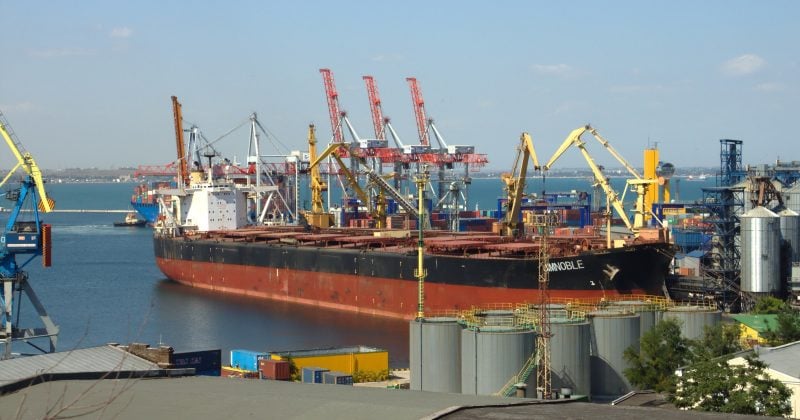
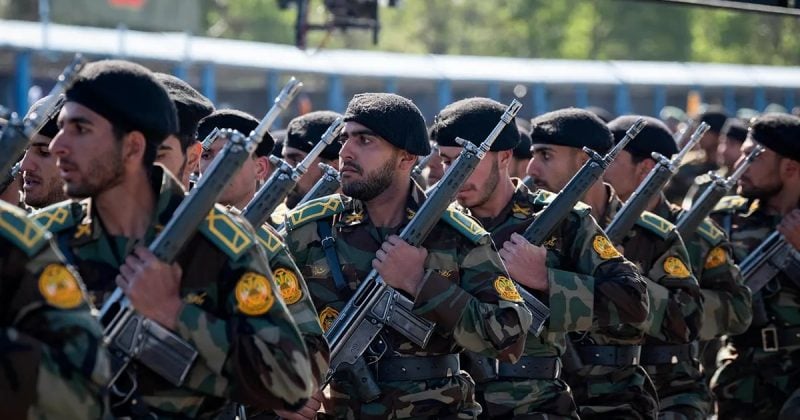
President Trump accused Iran of violating a fragile ceasefire on June 26 after what US officials described as an Iranian drone attack on a commercial vessel transiting the Strait of Hormuz. The strike, attributed to the Islamic Revolutionary Guard Corps, hit a Singapore-flagged cargo ship near the coast of Oman, damaging the vessel’s bridge but causing no reported injuries.
In a Truth Social post, Trump called the incident a “foolish violation” of the ceasefire agreement. US officials say Iran launched at least four one-way attack drones at ships passing through the strait, with American forces intercepting some of them.
Iran has not claimed responsibility.
What happened in the strait
The attack took place on or around June 25-26, targeting what has been described as a Singapore-flagged vessel linked to Evergreen. The drone struck the ship’s bridge, a critical navigational area, though the crew escaped without injuries.
Roughly 20% of the world’s oil passes through this 21-mile-wide chokepoint on any given day. What did pause, however, were the United Nations escort operations coordinated to protect commercial shipping in the area.
The US-Iran conflict has featured multiple ceasefire extensions since at least April 2026.
Iran’s crypto toll gambit
In the months leading up to this attack, Iran had been proposing cryptocurrency-based transit fees for vessels navigating the Strait of Hormuz. The proposals, documented between April and May 2026, included demands for approximately $1 per barrel payable in Bitcoin or stablecoins for what Iran framed as “safe passage.”
Traditional banking channels are largely closed to Iran due to US and international sanctions. Stablecoins in particular provide dollar-denominated value without requiring access to the US banking system.
Market implications for crypto investors
If Iran successfully implements or even partially enforces crypto-denominated transit fees, it creates a direct use case for stablecoins in sanctioned trade. That’s a compliance concern for issuers like Tether and Circle, whose tokens could end up facilitating payments to a designated entity.
What investors should actually watch: whether Iran follows through on enforcing crypto tolls in the wake of this ceasefire breach, whether the US responds with additional sanctions targeting crypto wallets associated with the IRGC, and whether stablecoin issuers proactively freeze addresses connected to Iranian maritime operations.
Disclosure: This article was edited by Editorial Team. For more information on how we create and review content, see our Editorial Policy.











 English (US) ·