
 1 month ago
23
1 month ago
23
The Trump administration just did something it spent years insisting it would never do: it moved toward regulating AI.
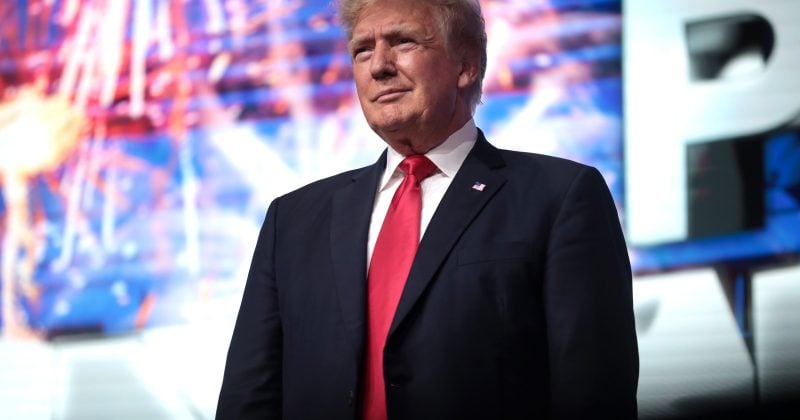
On June 2, President Trump signed an executive order titled “Promoting Advanced Artificial Intelligence Innovation and Security,” establishing a framework that asks AI developers to voluntarily give the federal government access to their most powerful models before public release.
What the executive order actually does
The order instructs a coalition of federal agencies, including the NSA, Treasury Department, Department of Defense, and Department of Homeland Security, to build a classified benchmarking process. The goal is to identify what the administration calls “covered frontier models,” meaning AI systems with advanced cybersecurity capabilities that could pose national security risks.
Under the new framework, AI developers are encouraged to offer the government access to their models up to 30 days before public release. That window is specifically for cybersecurity evaluations, not broad content or safety reviews.
An earlier draft of this order reportedly included a 90-day review window. That got trimmed significantly after concerns about US competitiveness with China entered the conversation.
The NSA has been tasked with leading the classified benchmarking effort, with a 60-day timeline to establish the process.
The order also explicitly rolls back Biden-era requirements that had imposed more structured compliance obligations on AI developers.
The backstory and why it matters now
This executive order builds on a national AI policy framework the administration established in March 2026, which attempted to preempt the patchwork of state-level AI laws popping up across the country. That earlier framework pushed for federally uniform standards while keeping security and innovation on parallel tracks.
Shortly after the order was signed, Anthropic disabled one of its new AI models amid concerns reportedly originating from the White House.
What this means for investors
The most immediate effect is likely minor delays in the release of frontier AI models from major labs. A voluntary 30-day review window doesn’t sound dramatic, but in a sector where being first to market with a new capability can translate into billions of dollars in valuation, even small delays matter.
The voluntary nature of the framework is the key detail for market participants. This is not a mandatory licensing regime. There are no new compliance costs being imposed, no new bureaucratic hurdles to clear before shipping a product.
For the crypto-AI intersection specifically, decentralized AI projects, which by their nature don’t have a single corporate entity to participate in voluntary government reviews, exist in a gray area under this framework.
The competitiveness argument was powerful enough to shrink the review window from 90 days to 30. If Beijing announces its own accelerated AI development initiatives, the political calculus in Washington could shift again.
Disclosure: This article was edited by Editorial Team. For more information on how we create and review content, see our Editorial Policy.















 English (US) ·