
 1 month ago
27
1 month ago
27
President Donald Trump publicly accused Israeli Prime Minister Benjamin Netanyahu of nearly sabotaging a peace deal between the US and Iran, calling him “a very difficult guy” in a New York Times interview published on June 14. The accusation came just hours after announcements that a preliminary framework between Washington and Tehran had been reached.
The deal, which extends a cease-fire initially agreed upon in April 2026 by an additional 60 days, includes provisions to reopen the Strait of Hormuz and ease certain elements of the US naval blockade on Iranian ports. It also advances negotiations on Iran’s nuclear program and sanctions relief.
What nearly went wrong
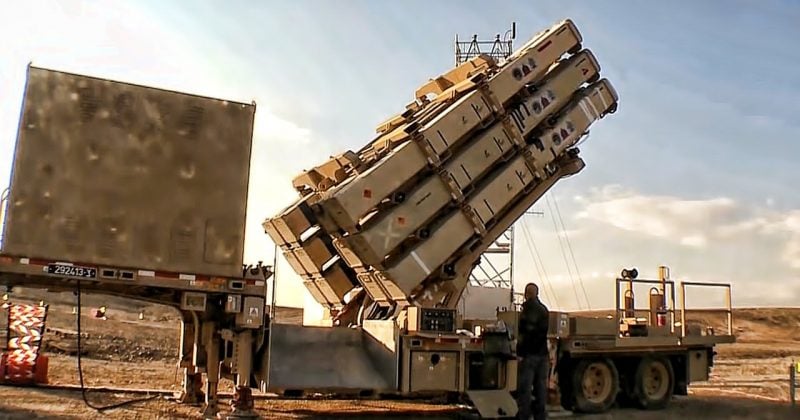
According to Trump’s account, recent Israeli military strikes, including attacks on Beirut, delayed the finalization of the agreement by several hours. The strikes came amid a broader US-Israel campaign against Iran that began in late February 2026, shortly after military operations were launched against Iranian targets.
Netanyahu’s administration has pushed back on the framework, arguing it doesn’t adequately address core security threats posed by Iran.
Why crypto markets are paying attention
The Strait of Hormuz handles roughly a fifth of the world’s daily oil supply. Its reopening as part of this deal could meaningfully reduce the geopolitical risk premium that has been baked into energy prices since the US-Israel campaign against Iran escalated in late February.
What investors should actually watch
The 60-day extension is the critical variable. It’s long enough for meaningful progress on nuclear talks and sanctions relief, but short enough that any breakdown in negotiations could snap markets right back to a risk-off posture.
Sanctions relief, if it materializes in later stages, could have more direct implications for crypto. Iran has historically been a significant player in Bitcoin mining, partly as a workaround for economic isolation. Any formal easing of sanctions could alter the landscape of hash rate distribution and cross-border capital flows.
Disclosure: This article was edited by Editorial Team. For more information on how we create and review content, see our Editorial Policy.










 English (US) ·