
 3 weeks ago
20
3 weeks ago
20
The United States and Iran have signed a memorandum of understanding aimed at ending roughly four months of conflict centered on the Strait of Hormuz, the narrow chokepoint through which a significant share of the world’s oil supply passes. President Donald Trump announced the agreement, saying it resolved the standoff and blocked Iran from developing a nuclear weapon.
Iranian President Masoud Pezeshkian also signed the MOU, with ceremonies finalized around June 18, 2026. The deal marks the first formal diplomatic breakthrough between the two countries after hostilities that began in February 2026.
What the deal actually says
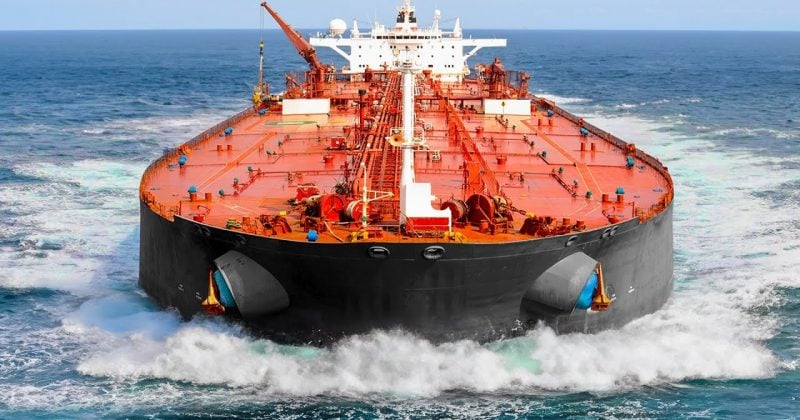
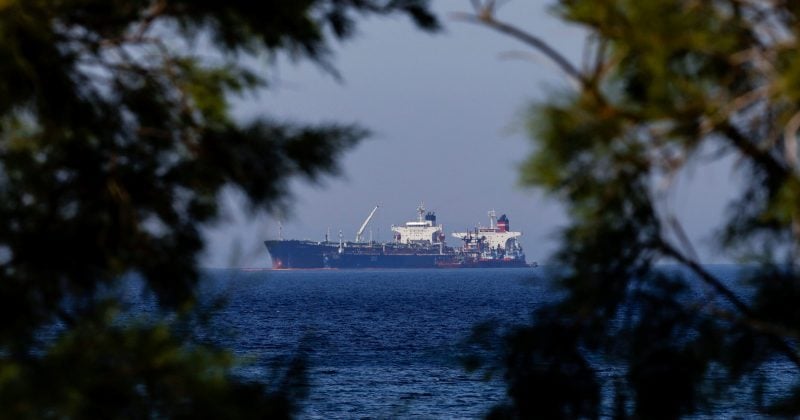
On the immediate side, the US naval blockade of Iran is set to end within 30 days of signing. Commercial vessels will get toll-free passage through the Strait for 60 days, with traffic restoration targeted within 30 days.
The 60-day negotiation window covers nuclear inspections, sanctions relief, and the potential reinstatement of the International Atomic Energy Agency to monitor Iranian compliance. Both countries are also expected to engage Oman regarding administration of the Strait, with Qatar and Pakistan encouraged to serve as mediators.
Why oil markets noticed immediately
Oil prices dropped following the announcement. The MOU’s provisions for reopening commercial traffic gave traders a concrete reason to reprice risk downward, even before a single tanker moves through under the new terms.
The caveat is obvious. An MOU is not a completed agreement. The 60-day negotiation window on nuclear inspections and sanctions relief is where previous US-Iran diplomatic efforts have historically come apart. The 2015 Joint Comprehensive Plan of Action took years to negotiate and ultimately collapsed.
What to watch from here
The next 30 days are the first real test. If the US naval blockade lifts on schedule and commercial shipping resumes through the Strait without incident, the MOU has legs.
The nuclear track is the longer-term variable. Reinstating IAEA monitoring requires Iran to accept inspectors and verification protocols it has resisted for years. Sanctions relief, which Iran will want early in any negotiation, is something the US has historically used as leverage to extract compliance rather than as a good-faith opening gesture.
Qatar and Pakistan’s roles as mediators are worth watching. Both countries have maintained working relationships with Tehran and Washington simultaneously, and their involvement suggests the deal has regional backing beyond the two principals. Oman’s expected role in administering the Strait adds another layer of regional buy-in that previous US-Iran negotiations sometimes lacked.
Disclosure: This article was edited by Editorial Team. For more information on how we create and review content, see our Editorial Policy.









 English (US) ·