
 1 hour ago
1
1 hour ago
1
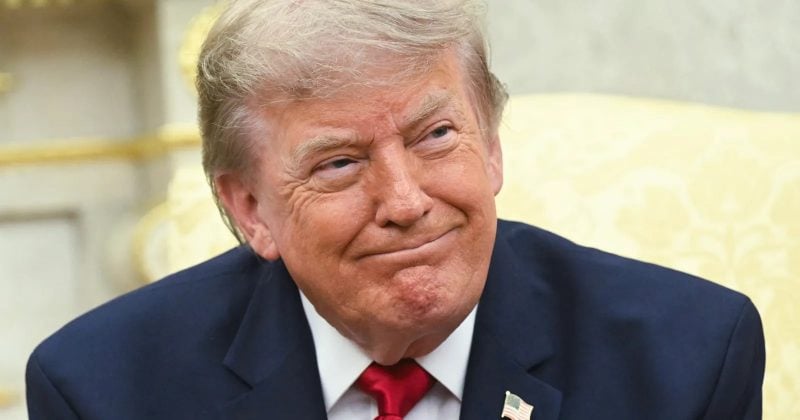
President Trump announced a sweeping new tariff plan on imported generic drugs Tuesday, posting on Truth Social that imported generics will face 100% tariffs beginning August 2028, escalating to 200% in 2029. The stated goal: force pharmaceutical companies to build manufacturing plants on American soil or pay through the nose.
Generic drugs make up the vast majority of US prescriptions. And the countries supplying them, primarily India, China, and Switzerland, just got put on a two-year countdown clock.
The timeline and what it actually means
Starting August 1, 2026, imported generic drugs will carry zero tariffs, a grace period designed to give manufacturers time to begin reshoring operations. That window closes on July 31, 2028.
After that, things get expensive fast. A 100% tariff kicks in August 2028, effectively doubling the cost of every imported generic pill. One year later, it jumps to 200%, tripling it.
Patented drugs are not included in the new tariff structure. This is a policy aimed squarely at the generics market.
Previous trade agreements between the US, Switzerland, and the EU had capped pharmaceutical tariffs at a maximum of 15%. This new plan doesn’t just break that ceiling. It takes a wrecking ball to the entire building.
Why pharma markets are already reacting
The announcement sent immediate tremors through pharmaceutical equities. Companies heavily reliant on imported generics saw pressure on their stock prices, while US-based manufacturers with existing domestic production capacity got a tailwind.
The broader reshoring push and its ripple effects
This tariff announcement extends previous signals from the Trump administration throughout 2025 regarding pharmaceutical tariffs and fits into a broader industrial policy centered on bringing critical manufacturing back to the US.
The short-term consumer impact could be significant. Generic drugs are cheap precisely because they’re manufactured in countries with lower labor and production costs.
Disclosure: This article was edited by Editorial Team. For more information on how we create and review content, see our Editorial Policy.





 English (US) ·