
 1 month ago
30
1 month ago
30
President Donald Trump posted a statement on Truth Social on May 25 laying out terms for the destruction of Iran’s enriched uranium stockpile. The proposal, which Trump framed as a non-negotiable component of any deal, puts roughly 900 pounds of near-weapons-grade uranium at the center of US-Iran diplomacy.
The post was characteristically blunt. Trump referred to the enriched material as “Nuclear Dust” and outlined two pathways: either Iran hands it over to the United States for destruction on American soil, or the material gets eliminated in Iran (or another agreed-upon location) with international atomic energy authorities witnessing the process.
What’s actually on the table
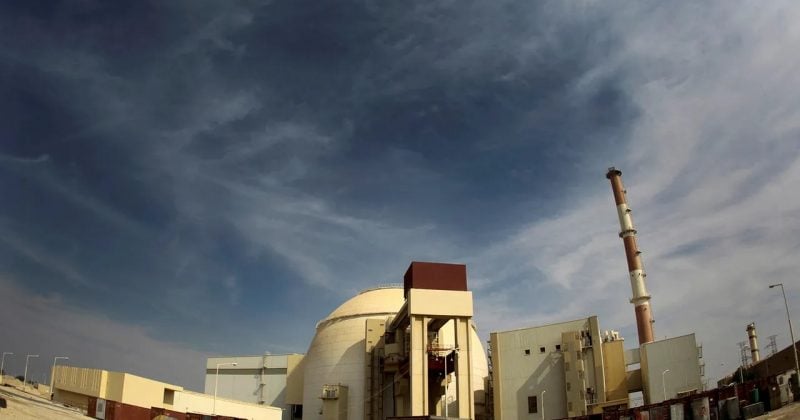
Iran’s stockpile of approximately 408 kilograms of near-weapons-grade uranium is the core issue. Negotiations have been grinding forward since at least April 2025, focusing on the level of uranium enrichment Iran is permitted to maintain, and what happens to the material it has already enriched beyond agreed thresholds.
Trump’s preferred option is coordinated, in-place destruction with Iranian cooperation and oversight from what he called “the Atomic Energy Commission, or its equivalent.” As of the latest available information, Iran has not confirmed agreement to any version of this plan.
The diplomatic backdrop
Trump’s post effectively draws a line in the sand. By publicly demanding destruction of the entire stockpile, he’s leaving very little room for a middle-ground outcome like downblending, where highly enriched uranium gets diluted to lower enrichment levels suitable for civilian energy use. That approach has been used in other nonproliferation contexts, most notably when the US and Russia cooperated to downblend Russian weapons-grade uranium under the Megatons to Megawatts program.
What this means for markets and crypto investors
Oil is the more direct transmission mechanism. Any disruption to Middle Eastern energy flows pushes crude prices higher, which feeds into inflation expectations, which in turn affects monetary policy outlooks.
Investors watching this situation should pay attention to two concrete indicators: whether Iran allows international inspectors access to its enrichment facilities as a confidence-building measure, and whether oil futures start pricing in supply disruption risk.
Disclosure: This article was edited by Editorial Team. For more information on how we create and review content, see our Editorial Policy.








 English (US) ·