
 1 month ago
19
1 month ago
19
President Trump announced he wants to temporarily suspend the federal gas tax, a move aimed at softening the blow of rising fuel prices as the conflict with Iran continues to rattle global oil markets.
The proposal, floated during a CBS News interview, marks a notable reversal. The White House had previously indicated that a gas tax suspension was not under consideration.
What the gas tax holiday actually looks like
The federal gas tax currently sits at 18.4 cents per gallon for gasoline and 24.4 cents per gallon for diesel. These rates have been fixed since 1993, which means they haven’t been adjusted for inflation in over three decades.
Several lawmakers from both sides of the aisle have introduced legislation to make the suspension happen. Republican and Democratic proposals aim to keep the tax holiday in place until October 1, 2026.
A driver filling up a 15-gallon tank once a week would save roughly $2.70 per fill-up, or about $10.80 per month.
Economists have consistently cautioned that gas tax holidays rarely deliver their full theoretical savings to consumers. The actual reduction at the pump may be less than 18 cents per gallon, because gas stations and wholesalers can absorb part of the savings through pricing adjustments.
Why prices are climbing in the first place
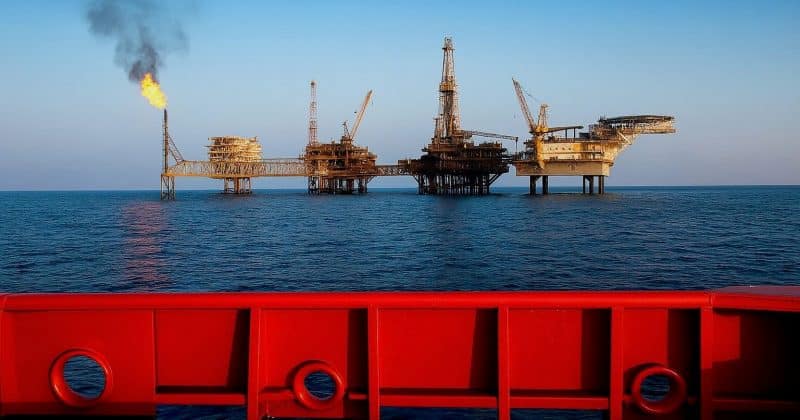
The driving force behind this proposal is the escalating war with Iran, which has disrupted oil supply chains and pushed crude prices higher.
What this means for your wallet and the broader economy
The more significant question is what suspending the gas tax does to the Highway Trust Fund, which relies on gas tax revenue to finance road construction and maintenance across the country. The federal gas tax funds approximately $40 billion annually for the Highway Trust Fund.
Maryland, Georgia, and Connecticut all temporarily suspended their state gas taxes in 2022, and the results were mixed. Consumers saw modest savings, but the savings were smaller than the full tax amount, validating what economists had predicted.
Disclosure: This article was edited by Editorial Team. For more information on how we create and review content, see our Editorial Policy.











 English (US) ·