
 1 month ago
28
1 month ago
28
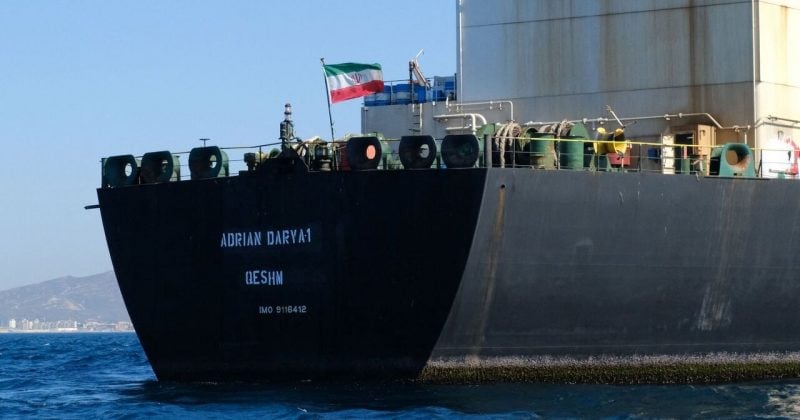
President Donald Trump declared on May 27 that neither Iran nor Oman will be permitted to control the Strait of Hormuz, the narrow waterway through which roughly one-fifth of the world’s oil supply passes every day.
“Nobody’s going to control (the strait),” Trump said, insisting the passage must remain open to all international shipping. Trump had previously claimed significant progress toward a broader peace framework in the region. Those claims now look premature, as negotiations appear to have stalled in the wake of the toll dispute.
What’s actually happening in the strait
In mid-May, reports surfaced that Iran had been negotiating revenue-sharing arrangements with Oman that would effectively create a toll system for ships transiting the strait. The proposal would have given both nations a financial stake in controlling passage through the waterway, a move the US views as fundamentally incompatible with freedom of navigation.
Trump warned that any actions by Oman suggesting toll collection or control over the strait would lead to military consequences.
The Bitcoin angle nobody expected
Iran has reportedly been exploring the use of Bitcoin for shipping insurance and toll payments related to strait transit. Bitcoin transactions don’t require correspondent banks that might freeze payments under US sanctions pressure.
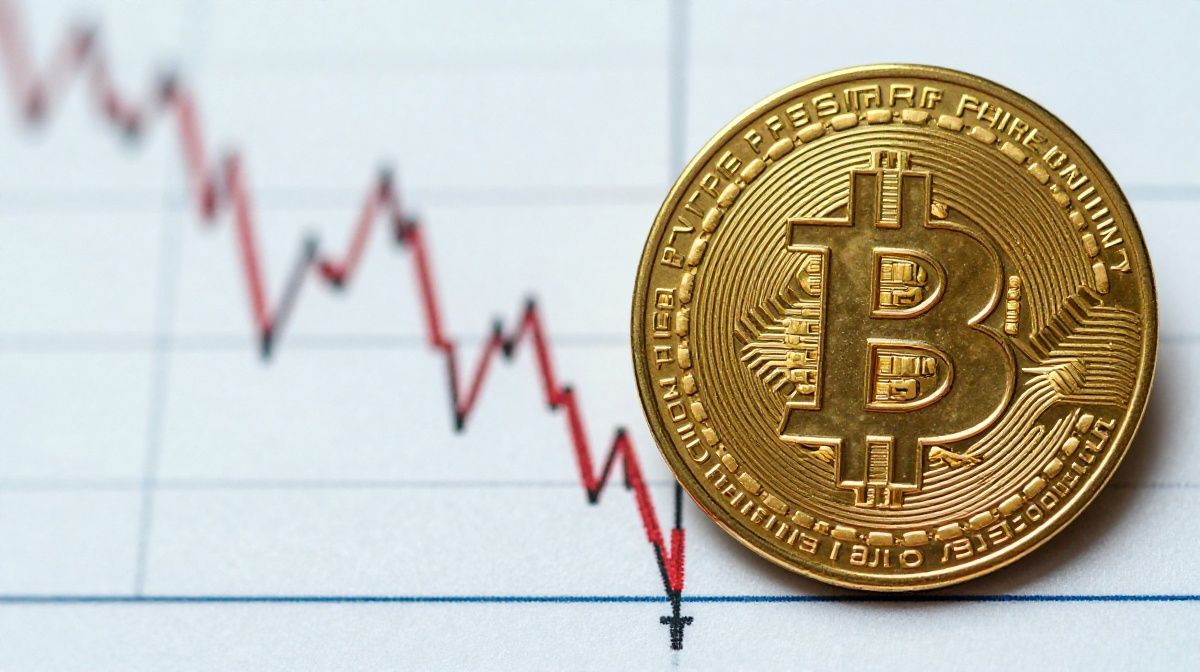
Bitcoin experienced notable price volatility as the strait situation developed. Prices climbed when it appeared diplomatic progress was being made toward a peaceful framework. They dipped when tensions escalated, particularly around Trump’s military warnings.
What this means for investors
For crypto investors specifically, the situation creates a dual dynamic. On one hand, Bitcoin’s potential role in sanctions evasion and international trade settlement reinforces the narrative that it has genuine utility beyond speculation. On the other hand, if Iran actually begins processing strait-related payments in Bitcoin, expect US lawmakers to accelerate efforts to tighten crypto compliance requirements for exchanges and payment processors.
The prevailing market implications center on risk sentiment among traders and investors, particularly concerning energy markets and geopolitical stability. The key variable to watch is whether any form of negotiations resume. A credible diplomatic framework would likely be bullish for risk assets across the board, crypto included. A further breakdown, particularly one involving naval deployments or sanctions escalation targeting crypto infrastructure, would push sentiment in the opposite direction.
Disclosure: This article was edited by Editorial Team. For more information on how we create and review content, see our Editorial Policy.














 English (US) ·