
 1 month ago
21
1 month ago
21
The fragile diplomatic thread between Washington and Tehran just got a lot thinner. President Trump has formally rejected Iran’s latest ceasefire proposal, calling it “TOTALLY UNACCEPTABLE” and, for good measure, “a piece of garbage.”
Trump described the current ceasefire status as being “on massive life support,” a characterization that suggests the narrow diplomatic window for a peaceful resolution is closing fast.
What Iran wanted, and what the US wants instead
The core of the disagreement comes down to two fundamentally incompatible visions. Iran’s proposal reportedly includes demands for control over the Strait of Hormuz and the lifting of US sanctions. The US proposal, by contrast, focuses on rolling back Iran’s nuclear program.
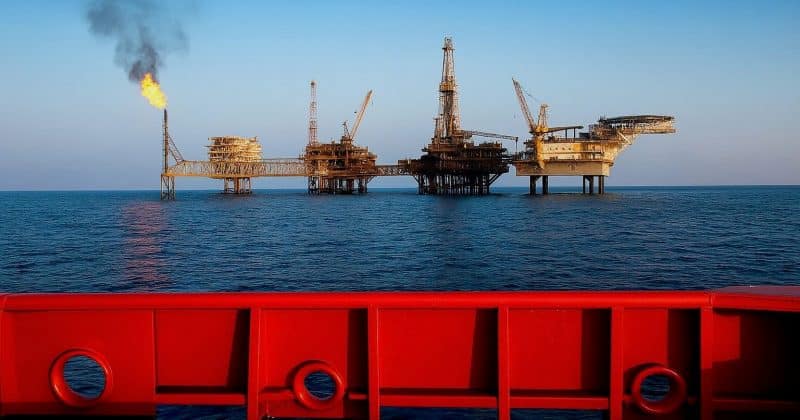
The Strait of Hormuz is the narrow waterway between Iran and the Arabian Peninsula through which a massive share of the world’s oil exports flow daily.
The diplomatic landscape keeps getting rockier
Iran’s nuclear program remains the central concern for Washington. The US has consistently framed the conflict through the lens of nonproliferation, arguing that any deal must address Iran’s enrichment capabilities and weapons-development infrastructure. Tehran, predictably, frames its program as a sovereign right and a matter of national security.
Meanwhile, preparations are reportedly underway for discussions between Trump and Chinese President Xi Jinping to assess the conflict’s impacts on oil markets.
What this means for markets and investors
Iran’s demand for lifted sanctions, if it were ever met, would bring Iranian oil back onto global markets in significant volumes. That outcome now looks even more remote given Trump’s rejection. The practical effect is that Iranian crude stays off the market for the foreseeable future, which provides a floor for oil prices but also removes one potential tool for easing global supply constraints.
Disclosure: This article was edited by Editorial Team. For more information on how we create and review content, see our Editorial Policy.









 English (US) ·