
 1 month ago
23
1 month ago
23
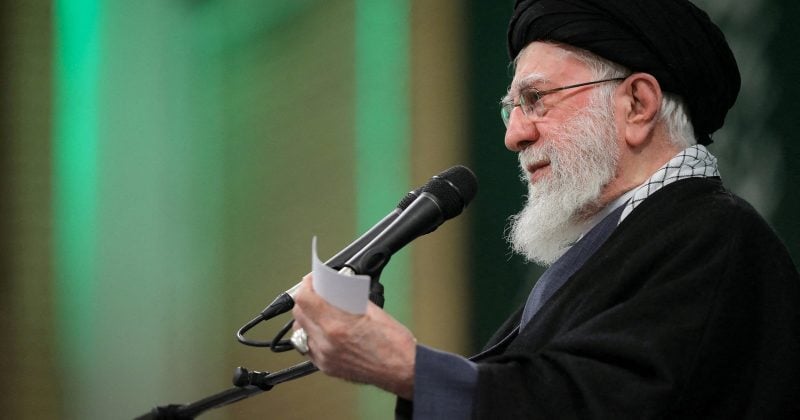
President Trump declared that the Strait of Hormuz would remain open to all nations under any agreement reached with Iran. No single country, he said, would control the chokepoint.
The waterway that moves the world’s oil
The Strait of Hormuz is a narrow passage between Iran and the Arabian Peninsula. Roughly 20% to 25% of global oil shipments pass through it on any given day.
Trump’s announcement, made over May 23-24, signals that negotiators are working toward a framework where the Strait stays open regardless of which government is having a bad week. The practical mechanism: a proposed 60-day interim period to formally reopen the route, subject to approval from both nations.
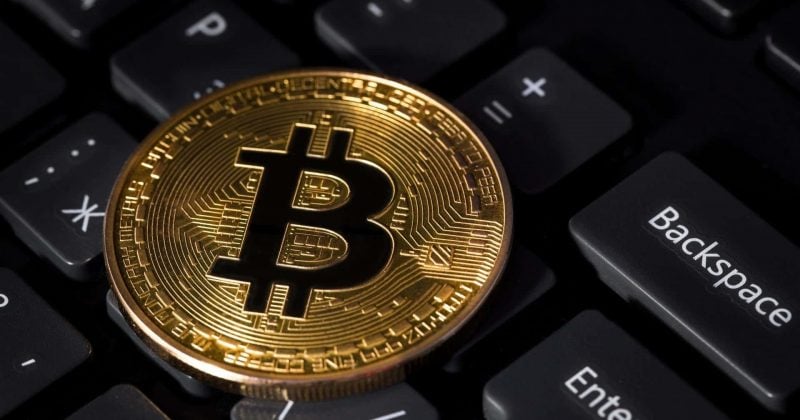
Bitcoin initially dropped when the US-Iran conflict escalated. After Trump’s comments about keeping the Strait open, Bitcoin rebounded.
Iran, crypto, and the sanctions problem
During the conflict period, Iran reportedly began requiring cryptocurrency payments, particularly Bitcoin, for maritime transit through the Strait.
US authorities have targeted between $344 million and $450 million in Iranian-linked crypto assets as part of sanctions enforcement actions.
What this means for investors
If negotiations progress and the Strait formally reopens under a stable agreement, energy prices stabilize, macro uncertainty decreases, and risk assets benefit. If they collapse, expect another round of volatility.
Bitcoin’s price fell during the initial conflict escalation and recovered on de-escalation news, which looks more like correlated risk-asset behavior than true safe-haven dynamics. Gold, by comparison, tends to move in the opposite direction during these episodes.
Disclosure: This article was edited by Editorial Team. For more information on how we create and review content, see our Editorial Policy.












 English (US) ·