
 3 weeks ago
17
3 weeks ago
17
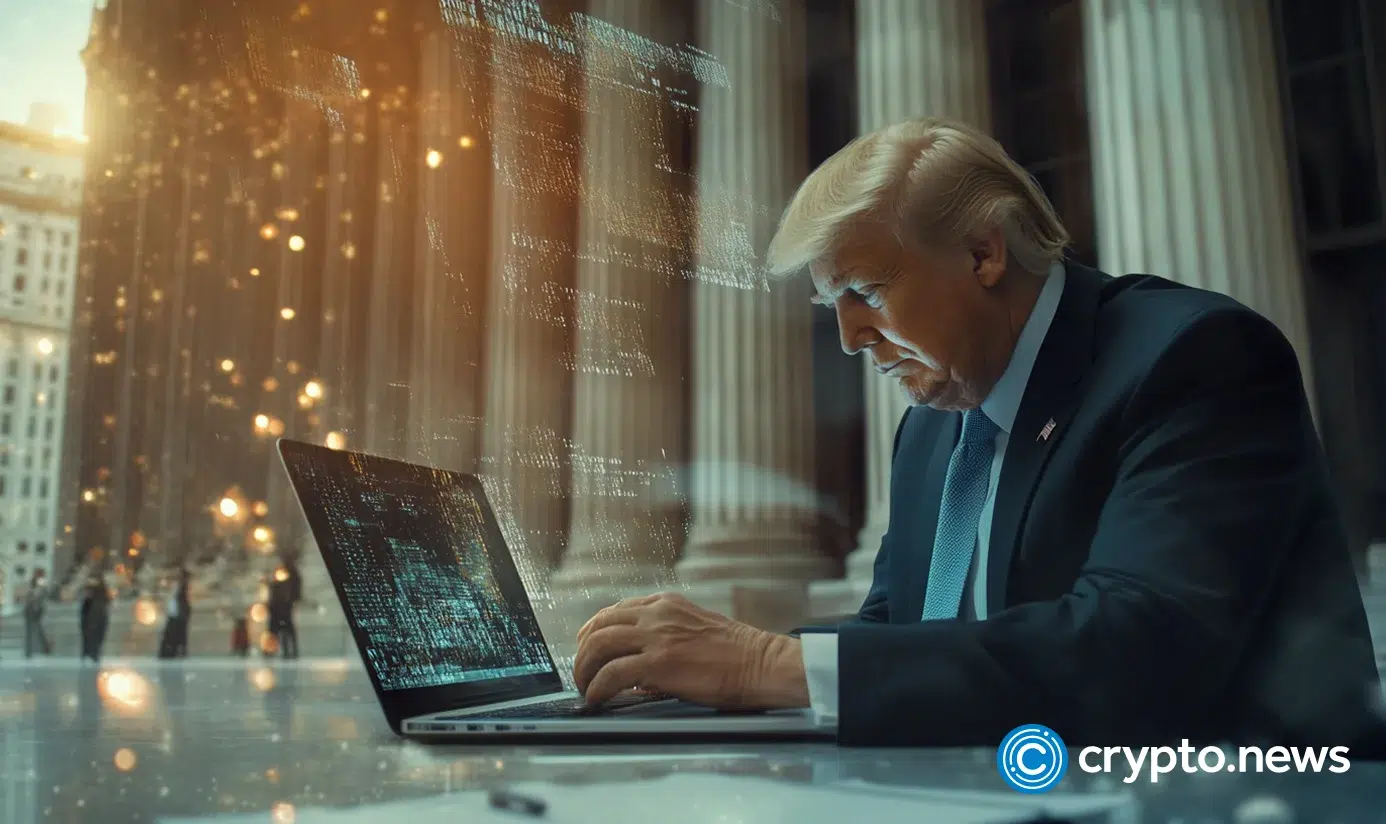
President Donald Trump said in a CBS News interview that the US and Iran are moving closer to finalizing a diplomatic agreement, a statement that carries weight well beyond traditional foreign policy circles. Crypto markets, which have whipsawed on every headline from the region for months, are once again on alert.
Trump indicated that Iran is currently reviewing the latest US proposal.
What’s actually on the table
The broad strokes of the potential deal have been visible since April, when Trump claimed that Iran had “agreed to everything” related to two core demands: the removal of enriched uranium and a halt to support for proxy groups like Hezbollah and Hamas. That was April 17. More than a month later, the deal still isn’t done.
As of mid-May, the US-Iran ceasefire was described as being on “massive life support,” with the Strait of Hormuz remaining a central flashpoint. That narrow waterway, through which a significant share of global oil transits, has been a pressure point for both military posturing and market anxiety.
The crypto angle is bigger than you think
In April, the Trump administration froze approximately $344 million in digital assets linked to Iranian exchanges. It’s a direct signal that the US government views crypto infrastructure as a sanctions evasion vector worth serious attention.
Iran’s Nobitex exchange has processed at least $2.3 billion in transactions through networks associated with Tron and BNB Chain. For context, that’s a volume figure that would make Nobitex competitive with some mid-tier exchanges operating in fully regulated markets. Except Nobitex is operating under one of the heaviest sanctions regimes on the planet.
The choice of Tron and BNB Chain isn’t random. Both networks offer lower transaction fees and faster settlement than Ethereum, making them practical choices for high-volume transfers where cost efficiency matters more than decentralization purity.
What this means for investors
Bitcoin and Ether have both shown heightened volatility in response to the US-Iran situation.
If a deal does materialize, the question becomes what happens to the sanctions infrastructure the US has built around Iranian crypto activity. The $344 million in frozen assets doesn’t automatically unfreeze with a diplomatic handshake. Sanctions relief, if it comes, would be phased and conditional. That means the regulatory pressure on exchanges and networks that facilitated Iranian transactions, particularly Tron and BNB Chain, could persist or even intensify during a transition period.
Whether this particular negotiation succeeds or fails, the precedent of $344 million in seized digital assets and $2.3 billion in tracked transactions through specific blockchain networks means that nation-state sanctions enforcement has permanently entered the crypto conversation.
Disclosure: This article was edited by Editorial Team. For more information on how we create and review content, see our Editorial Policy.












 English (US) ·