
 1 month ago
27
1 month ago
27
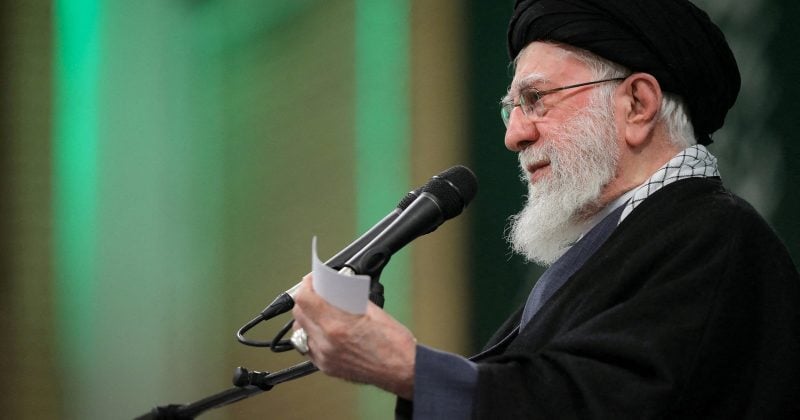
President Donald Trump told his cabinet on May 27 that the United States remains unsatisfied with the current state of Iran negotiations, urging his team to slow down rather than chase a quick resolution. The message was blunt: a deal will happen, but not on anyone else’s timeline.
The core issues in the negotiations are enormous in scope. The US wants Iran to surrender its highly enriched uranium stockpile, a demand that goes well beyond anything contemplated under the 2015 Joint Comprehensive Plan of Action (JCPOA). Washington is pushing for terms that are significantly more restrictive than the Obama-era deal that Trump’s own administration has long criticized as too lenient.
Then there’s the Strait of Hormuz. This narrow waterway handles roughly one-fifth of all global oil and liquefied natural gas shipments. Its reopening is a central pillar of the current talks.
Trump explicitly told negotiators not to rush the process, noting that Iran is eager to reach an agreement. Multiple rounds of discussions and shifting US deadlines have already defined these negotiations, and there’s no final agreement in sight as of late May 2026.
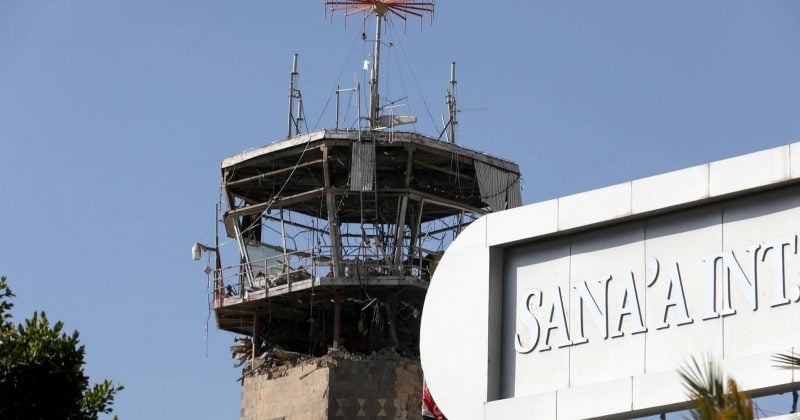
The backdrop here is a conflict that has been simmering since 2025, with active US military engagement and Israeli strikes targeting Iranian nuclear infrastructure. The current diplomatic effort aims to produce a framework that includes both a lasting ceasefire and some form of sanctions relief for Iran, though key gaps between the two sides persist.
Earlier this year, the Trump administration froze approximately $344 million in digital assets linked to Iran. The freeze highlights a growing intersection between geopolitical strategy and the cryptocurrency ecosystem. Compliance requirements tighten, exchanges scrutinize transaction flows more carefully, and traders start pricing in the possibility that similar actions could be taken against assets linked to other countries under US scrutiny.
Bitcoin has been particularly sensitive to developments in the US-Iran saga, with every headline about ceasefire progress or breakdown and every update on sanctions corresponding with noticeable price movement.
Traders should be watching two things closely: any concrete movement on Iran’s uranium stockpile and developments around the Strait of Hormuz. The former determines whether a deal is genuinely close or still aspirational. The latter directly impacts global energy flows. With Trump explicitly telling negotiators to take their time, no resolution appears imminent as of late May 2026.
Disclosure: This article was edited by Editorial Team. For more information on how we create and review content, see our Editorial Policy.











 English (US) ·