
 1 month ago
24
1 month ago
24
President Trump announced on June 11 that the US and Iran were approaching what he called a “great settlement,” with official documents reportedly in their final stages and a signing ceremony potentially days away. The crypto market had already started pricing in the optimism, with Bitcoin climbing to around $77,000 on the back of de-escalation signals.
Here’s the thing, though: Iran hasn’t exactly confirmed any of this. Tehran’s foreign ministry spokesperson characterized the reports as speculation, stating that no agreement has been finalized and that key issues remain unresolved.
What the deal reportedly includes
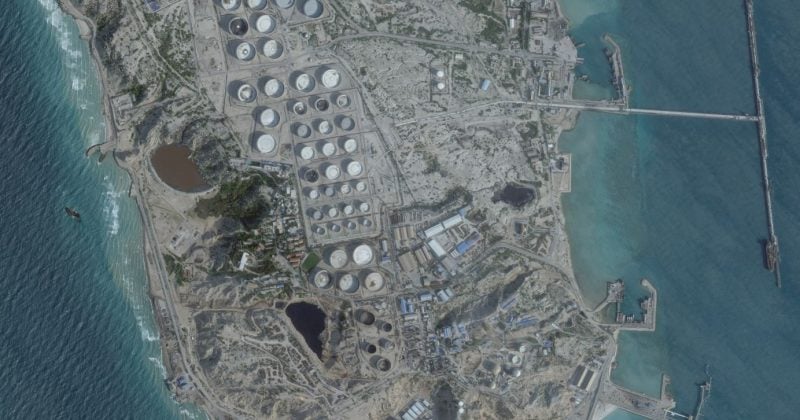
The framework under discussion is believed to center on two major pillars. First, preventing Iran from acquiring nuclear weapons. Second, reopening vital shipping lanes, most notably the Strait of Hormuz, which serves as the chokepoint for roughly a fifth of the world’s oil supply.
The deal framework also reportedly includes a 60-day ceasefire extension, building on earlier diplomatic groundwork. Trump confirmed the cancellation of planned military strikes and suggested that key Iranian leaders had agreed to terms. Negotiations have involved mediation by Pakistan and Qatar, with diplomatic channels open since February 2026.
The crypto market’s geopolitical antenna
Crypto markets have become increasingly sensitive to geopolitical shifts, and the Iran situation is a textbook example. Bitcoin’s rise to approximately $77,000 came as deal-related announcements surfaced in late May and early June, with traders interpreting reduced US-Iran tensions as broadly positive for risk assets.
Other major tokens also posted gains alongside Bitcoin’s move, reflecting a broad-based risk-on sentiment rather than anything specific to crypto fundamentals.
Adding another layer to the story: the US seized approximately $1 billion in Iranian-linked digital assets on May 30. That move intensified pressure on Tehran while simultaneously demonstrating Washington’s expanding capability to track and confiscate crypto holdings tied to sanctioned entities.
What this means for investors
If Trump’s timeline holds and a signing ceremony materializes, markets could see another leg up as the geopolitical risk premium compresses further. A confirmed deal that reopens the Strait of Hormuz would be particularly significant, potentially easing energy costs and giving central banks more room to maintain accommodative stances.
Iran has consistently maintained that key negotiating issues remain unresolved. If talks stall, or if one side walks away from the table, crypto markets that rallied on peace optimism would likely give back those gains quickly, possibly with added volatility as leveraged positions get unwound.
The $1 billion seizure of Iranian-linked digital assets also raises questions about how a formal deal might affect enforcement actions against sanctioned crypto flows. A peace agreement could theoretically reduce the legal basis for some of those seizures, or it could come with enhanced compliance requirements that further legitimize government oversight of blockchain transactions.
Disclosure: This article was edited by Editorial Team. For more information on how we create and review content, see our Editorial Policy.













 English (US) ·