
 3 weeks ago
9
3 weeks ago
9
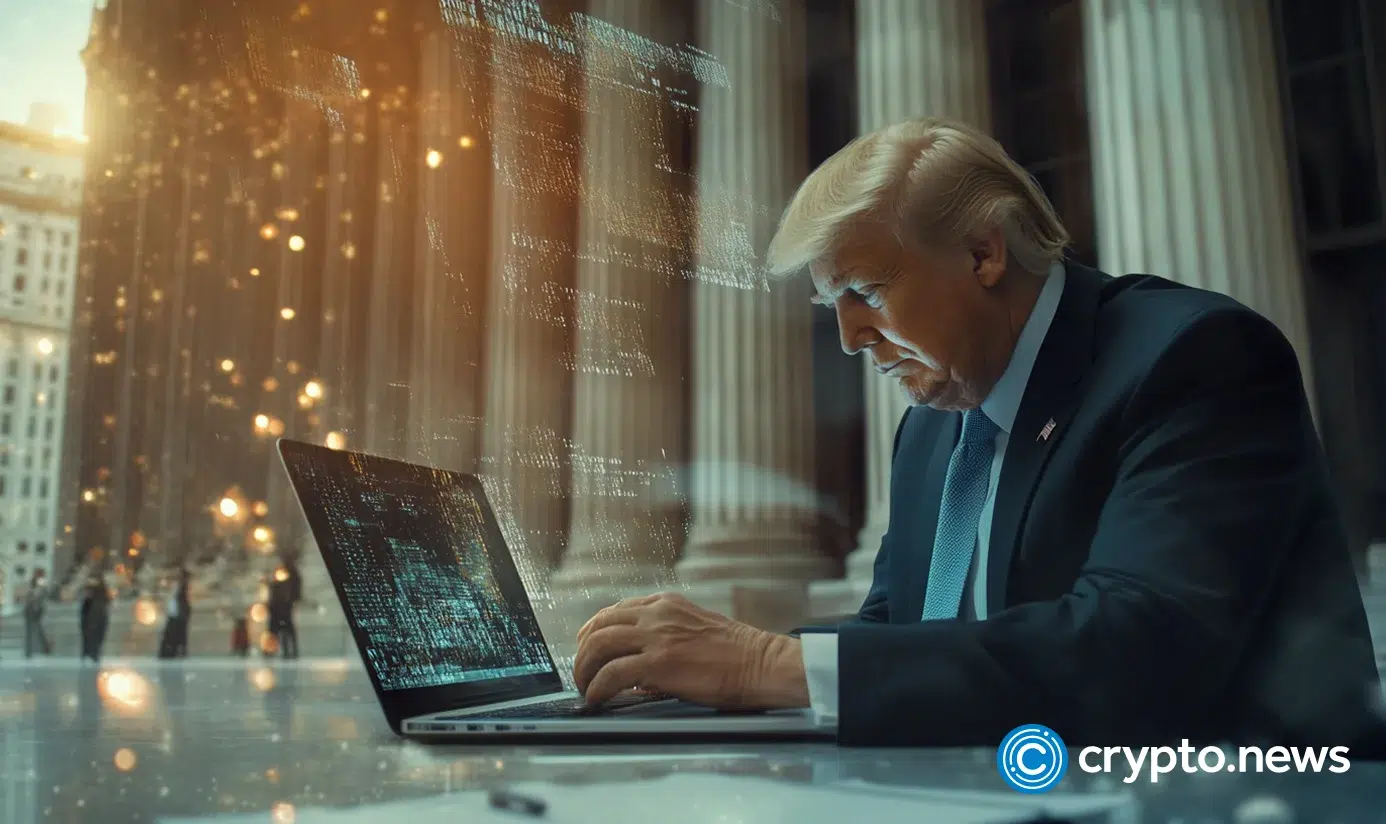
President Trump stood in the White House on May 22 and told his hand-picked Federal Reserve chair to ignore him. Or at least, to ignore anyone trying to lean on the central bank politically.
“I want Kevin to be totally independent,” Trump said during the swearing-in ceremony for Kevin Warsh, the 56-year-old former Fed governor who now holds the most powerful unelected job in the American economy. It was the first time a Fed chair had been sworn in at the White House since Alan Greenspan’s appointment in 1987.
A narrow confirmation, a wide mandate
Warsh’s path to the top of the Fed wasn’t exactly a coronation. The Senate confirmed him on May 13 with a 54-45 vote, a margin thin enough to suggest real skepticism about either the nominee or the process that produced him.
He replaces Jerome Powell, whose tenure became defined by an increasingly public tug-of-war with Trump over the direction of monetary policy. Powell’s sin, in the president’s view, was not cutting rates fast or deep enough.
Warsh isn’t new to the institution. He served as a Fed governor from 2006 to 2011, a stint that put him inside the building during the worst financial crisis since the Great Depression. That experience was cited repeatedly during his confirmation process as evidence he could handle turbulence.
April inflation came in at 3.8%, the highest reading in three years. That number alone makes the job harder. Cut rates too aggressively and you risk stoking prices further. Keep them elevated and you risk choking growth.
Why the White House ceremony matters
Fed chairs are typically sworn in at the Federal Reserve building in Washington. Moving the ceremony to the White House is a symbolic choice. The last president to host this kind of ceremony was Ronald Reagan, who brought Greenspan to the White House in 1987.
The tension here isn’t new. But it’s been especially acute since Trump’s first term, when he openly called Powell an “enemy” and suggested the Fed chair was a bigger threat to the economy than China.
What this means for investors
The most immediate question for markets is straightforward: what does Warsh actually do about 3.8% inflation? His track record from the 2008 crisis suggests he’s comfortable with aggressive action when circumstances demand it.
If Warsh leans hawkish to tackle rising prices, expect pressure on both equity and bond markets in the near term. Higher-for-longer rate environments tend to compress valuations on growth stocks and make fixed-income yields more attractive.
Investors should watch the first Federal Open Market Committee meeting under Warsh’s leadership closely. The vote split, the statement language, and the dot plot projections will reveal far more about his actual policy direction than any ceremony. The 54-45 confirmation vote already tells us nearly half the Senate has doubts.
Disclosure: This article was edited by Editorial Team. For more information on how we create and review content, see our Editorial Policy.





 English (US) ·