
 4 weeks ago
18
4 weeks ago
18
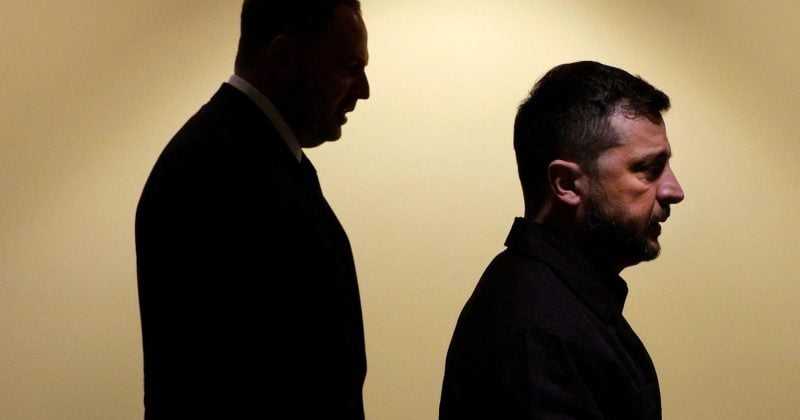
Turkey’s National Intelligence Organization, known as MIT, helped broker a ceasefire between the US and Iran on April 8, pulling off the kind of diplomatic maneuver that seemed impossible just weeks earlier when Turkish officials found themselves frozen out of Washington’s decision-making.
Bitcoin responded the way Bitcoin does when a geopolitical pressure valve gets released: it jumped roughly 5% intraday, pushing past $72,000. Equities climbed. Oil dropped.
How Turkey went from sidelined to center stage
When President Trump ordered military strikes on Iran in late February, Ankara’s repeated efforts to prevent the conflict fell on deaf ears. Turkish officials believed Trump was taking cues from Israeli Prime Minister Benjamin Netanyahu rather than engaging with Turkey’s diplomatic channels.
That changed in early April. MIT leveraged its unique position as one of the few intelligence organizations with meaningful access to both Washington and Tehran. The result was a ceasefire that initially halted hostilities for two weeks, creating space for broader negotiations on nuclear issues and sanctions.
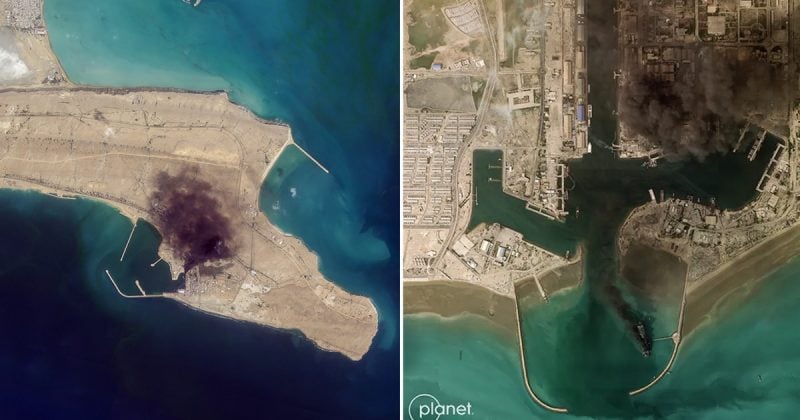
Pakistan had initially brokered the ceasefire framework, but Turkey’s intelligence apparatus provided the critical diplomatic connective tissue. The Strait of Hormuz, through which roughly a fifth of the world’s oil passes daily, became a central focus of the negotiations.
As of mid-June, the ceasefire has been extended. A framework agreement is now in place aimed at reopening the Strait of Hormuz, though a final resolution remains elusive. Formal discussions are expected to reconvene around June 19, with a potential 60-day negotiation window on the table.
The crypto market’s geopolitical reflex
When the US launched strikes on Iran in late February, traders piled into geopolitical hedges. Gold spiked. Oil surged on Strait of Hormuz closure fears. Bitcoin got caught in the crossfire, dragged lower alongside equities.
The April 8 ceasefire announcement triggered a rapid unwind of those hedges. Bitcoin’s 5% intraday move past $72,000 was part of a broader pattern: investors rotating back into risk assets. Equities posted broad gains. Oil prices fell sharply as fears of a prolonged Strait of Hormuz disruption eased.
Analysts have flagged that the current rally dynamics look more like a short-term sentiment shift than a structural repricing. Heightened volatility strategies are expected to persist as traders hedge against the possibility that talks collapse or hostilities resume.
What this means for crypto investors
The 60-day negotiation framework, if adopted, would push any final resolution into late summer. Volatility premiums on Bitcoin options are likely to remain elevated as a result.
The Strait of Hormuz remains the single most important variable in this equation. Its reopening would remove a major supply disruption risk from global energy markets. Its continued closure, or even the threat of re-closure, keeps a floor under oil and a ceiling on risk appetite.
Disclosure: This article was edited by Editorial Team. For more information on how we create and review content, see our Editorial Policy.











 English (US) ·