
 1 month ago
22
1 month ago
22
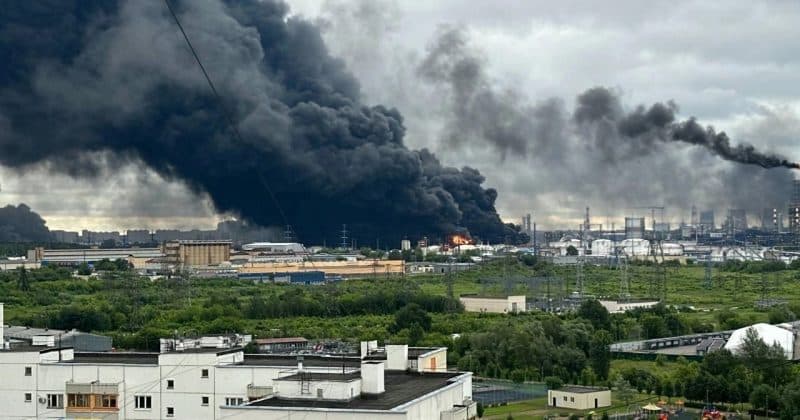
The ceasefire between the US and Iran lasted about two months before it stopped being a ceasefire. Military forces from both nations exchanged strikes on June 10 and June 11, 2026, marking two consecutive days of hostilities that have effectively shattered the truce agreed upon on April 8.
What was supposed to be a two-week pause in fighting, later extended through diplomatic channels, now looks like little more than a breather between rounds.
What happened and why it matters
The latest flare-up traces back to an incident near the Strait of Hormuz, one of the most strategically important chokepoints for global oil supply. US airstrikes targeted Iranian cities following a helicopter incident in the strait, and Iran responded with retaliatory strikes affecting neighboring Gulf states, including Bahrain and Kuwait.
The broader conflict kicked off on February 28, 2026, when US-Israel military actions against Iran set off a chain of escalating confrontations. The April ceasefire was meant to cool things down, but skirmishes had already resumed by early May.
Roughly a fifth of the world’s oil passes through the Strait of Hormuz. Any disruption there doesn’t just rattle energy traders. It cascades into everything from shipping costs to consumer prices to central bank policy decisions.
How crypto is responding
Digital asset markets have reacted to the geopolitical instability, though the response has been more nuanced than a simple sell-off. Bitcoin has shown relative stability compared to other cryptocurrencies during this stretch. Ethereum and Dogecoin, along with other major tokens, have exhibited varying degrees of resilience.
Commentators have pointed to the potential for conflict-driven monetary policy adjustments to actually benefit crypto markets over the medium term. If governments respond to war-fueled inflation by printing more money or keeping rates lower than they otherwise would, hard-capped assets like Bitcoin start looking very attractive as wealth preservation tools.
The ceasefire that wasn’t
The April 8 ceasefire was originally scoped as a two-week arrangement. The extension beyond that initial window was treated as a positive signal by markets at the time, but skirmishes resumed in early May, gradually escalating in frequency and severity. The June 10-11 exchanges represent the most significant military confrontation since the ceasefire was declared.
The involvement of third-party Gulf states, specifically Bahrain and Kuwait being affected by Iranian retaliatory strikes, adds another layer of complexity to containment and multilateral negotiations.
Disclosure: This article was edited by Editorial Team. For more information on how we create and review content, see our Editorial Policy.











 English (US) ·