
 4 weeks ago
22
4 weeks ago
22
The United States and Iran have reached an interim framework agreement addressing nuclear tensions, maritime shipping routes, and sanctions relief. The deal, finalized in draft form on June 15, 2026, tackles three areas that have rattled global markets for months: navigation rights through the Strait of Hormuz, conditions for lifting economic sanctions, and a deferred timeline for nuclear negotiations.
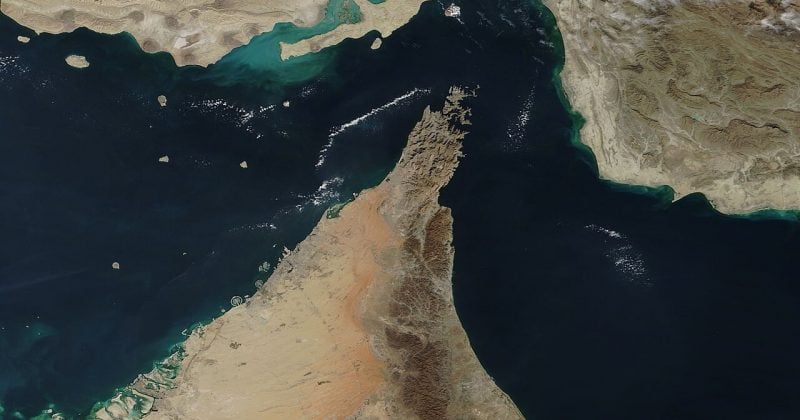
Roughly 20% of the world’s oil passes through the Strait of Hormuz on any given day. The agreement’s most immediate consequence is the expected reopening of the strait for unrestricted commercial shipping, potentially as early as June 20.
What the deal actually says
The 14-paragraph memorandum of understanding covers three primary areas.
Iran has agreed to reopen the Strait of Hormuz to commercial navigation. The US, in return, will lift its naval blockade of Iranian ports and grant waivers for oil exports ahead of final nuclear talks.
The agreement sets a 60-day deadline for further negotiations on Iran’s nuclear program, specifically around enrichment levels and stockpile limits.
On the financial side, the pact opens the door to unfreezing approximately $25 billion in Iranian assets, contingent on Iran meeting compliance benchmarks. The sanctions relief component operates on a conditional basis. Waivers for oil exports come first, with broader asset releases tied to verified progress on nuclear commitments.
Why oil markets moved first, and crypto could follow
The immediate market reaction has been a decline in oil prices. But full normalization is not guaranteed overnight. Demining operations and verification processes in the strait will take time, meaning actual shipping volumes may lag behind the diplomatic headlines by weeks or even months.
The potential release of $25 billion in frozen Iranian assets also introduces new liquidity into the global financial system.
The nuclear question looms large
The 60-day window for nuclear negotiations puts the deadline in mid-August 2026. Iran’s enrichment activities and uranium stockpile have been persistent sticking points in every diplomatic effort dating back more than a decade. The current agreement explicitly defers these issues to subsequent talks.
The agreement does not reference cryptocurrencies or digital assets in any capacity. But Iran has historically been linked to crypto-based sanctions evasion, and a legitimate pathway back into the global financial system could reduce the regulatory pressure that comes with those associations.
Disclosure: This article was edited by Editorial Team. For more information on how we create and review content, see our Editorial Policy.













 English (US) ·