
 1 month ago
12
1 month ago
12
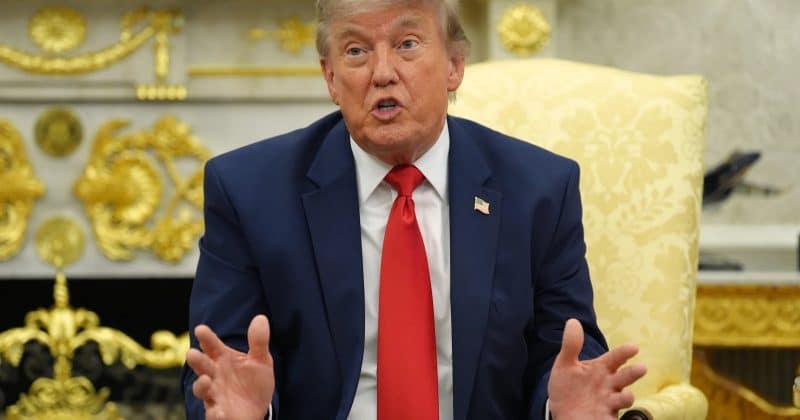
The US Court of Appeals for the Federal Circuit has hit the pause button on a lower court ruling that struck down President Trump’s global 10% tariffs. The temporary administrative stay means those tariffs remain in force while the appeal works its way through the system.
Here’s the thing: this isn’t a win for the White House on the merits. The appeals court hasn’t weighed in on whether the tariffs are actually legal. It’s simply keeping the status quo intact while it figures that out.
What happened and why it matters
The US Court of International Trade, a specialized federal court that handles trade disputes, had previously ruled against Trump’s 10% tariffs as they applied to certain firms and the state of Washington. That ruling threatened to unravel the tariff regime for a broader set of importers.
The tariffs themselves were implemented under Section 122 of the Trade Act, a legal pathway the administration turned to after an earlier tariff attempt ran into a wall at the Supreme Court.
A briefing schedule has been established for the proceedings, signaling that the court intends to move through the case with some urgency. The 10% tariffs are set to remain effective until late July unless Congress decides to extend them.
The $166B question
The stakes here go well beyond legal theory. US Customs and Border Protection estimates that over 330,000 importers may be eligible for refunds totaling $166B from previously invalidated tariffs.
If the appeals court ultimately upholds the lower court’s ruling, the federal government could be on the hook for that entire sum. If it reverses, those importers can stop holding their breath for refund checks.
For now, the stay means importers continue paying the 10% levy on covered goods.
Broader market implications
Tariffs function as a tax on imports, raising costs for companies that rely on foreign goods and squeezing profit margins. Tariffs affect corporate earnings, corporate earnings affect broader market sentiment, and broader market sentiment affects appetite for risk assets.
The late July expiration date for the tariffs adds another variable. If Congress doesn’t act to extend Section 122 authority, the tariffs could expire on their own regardless of what the courts decide, though the refund liability would still need to be sorted out.
Disclosure: This article was edited by Editorial Team. For more information on how we create and review content, see our Editorial Policy.









 English (US) ·