
 1 month ago
27
1 month ago
27
The US Department of Justice has moved to dismiss its criminal case against Türkiye Halk Bankası, better known as Halkbank, after reaching a deferred prosecution agreement with the Turkish state-owned lender. The case, which alleged the bank helped launder roughly $20 billion for Iran through front companies, had been grinding through courts since 2019.
What the deal actually looks like
The deferred prosecution agreement was filed between March 9 and 10, 2026, effectively pausing proceedings for 90 days while a compliance monitor reviews Halkbank’s operations. If the bank passes muster, particularly around Iran-related transactions, the DOJ plans to dismiss the indictment entirely.
The original charges were not small. The Southern District of New York filed an indictment on October 15, 2019, accusing Halkbank of conspiracy to defraud the United States, violations of the International Emergency Economic Powers Act (IEEPA), bank fraud, and money laundering. The core allegation was that the bank served as a conduit for approximately $20 billion in laundered funds benefiting Iran, routed through a network of front companies designed to dodge US sanctions.
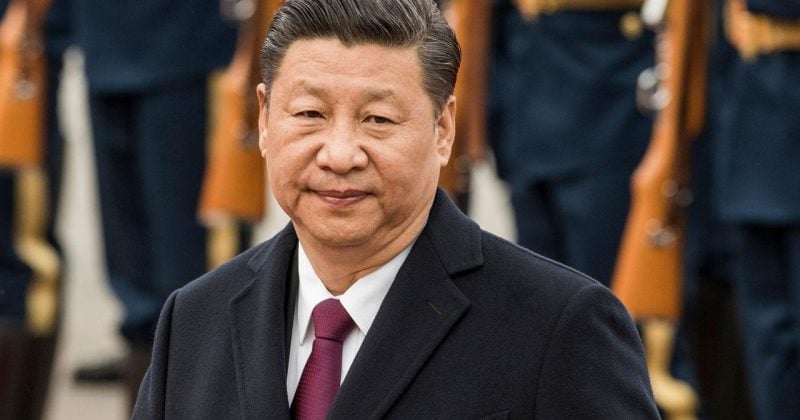
Turkish President Recep Tayyip Erdoğan had previously called the charges against Halkbank “unlawful,” framing the prosecution as politically motivated.
The legal journey that got us here
Halkbank’s defense strategy centered on a bold argument: as a state-owned bank, it claimed immunity from criminal prosecution in US courts under the Foreign Sovereign Immunities Act (FSIA). In April 2023, the Supreme Court ruled that the FSIA does not shield foreign state-owned entities from criminal cases. Halkbank then pivoted to arguing it had common-law immunity. The Second Circuit Court of Appeals rejected that claim in October 2024, clearing the final major obstacle to trial.
The Halkbank saga also had a colorful prelude. The underlying conduct was first exposed through the criminal trial of Mehmet Hakan Atilla, a former Halkbank executive who was convicted in 2018 for his role in the sanctions evasion scheme. That trial featured testimony from Reza Zarrab, a gold trader turned cooperating witness.
What this means for sanctions enforcement and beyond
For the compliance industry, the independent monitor requirement means Halkbank will face external scrutiny on its Iran-related transactions for the duration of the agreement.
This case involved zero digital assets. The alleged $20 billion moved through traditional banking rails, front companies, and gold trading networks. The precedent set by the Supreme Court’s FSIA ruling could have downstream implications: if US prosecutors can charge foreign state-owned entities with sanctions violations, that principle could theoretically extend to state-linked entities involved in digital asset transactions.
Disclosure: This article was edited by Editorial Team. For more information on how we create and review content, see our Editorial Policy.















 English (US) ·