
 3 weeks ago
22
3 weeks ago
22
The United States just made the most dramatic pivot in its Iran strategy in over four decades. On June 17, President Donald Trump and Iranian President Masoud Pezeshkian remotely signed a memorandum of understanding that effectively trades the longstanding sanctions playbook for a carrot-heavy approach: up to $300 billion in reconstruction funding, immediate relief on fossil fuel export restrictions, and a path toward broader sanctions rollback.
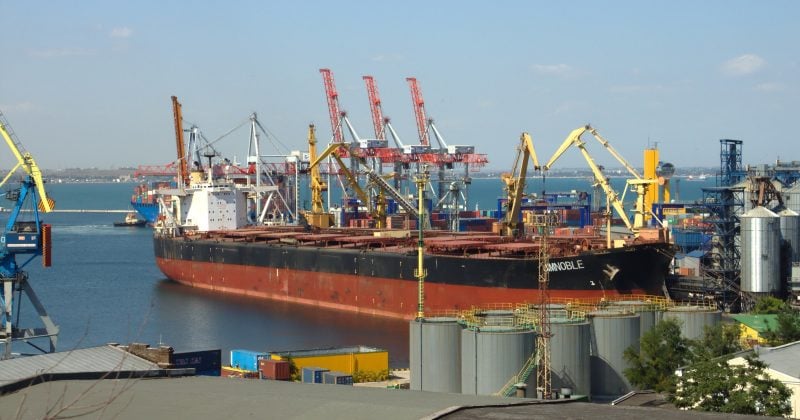
In return, Iran has pledged to halt nuclear weapons development and begin down-blending its enriched uranium stockpiles, including material enriched to roughly 60%, under International Atomic Energy Agency supervision. The agreement also establishes a ceasefire and the resumption of commercial shipping through the Strait of Hormuz.
What the deal actually says
The MOU is an interim agreement, not a final treaty. The two sides have 60 days to work out the specifics: where the $300 billion in reconstruction funding actually comes from, how it gets disbursed, and which regional partners chip in. The deal appears contingent on cooperation from unnamed regional partners, which likely means Gulf states with deep pockets and their own complicated relationships with Tehran.
On the sanctions front, the MOU calls for immediate relief targeting Iran’s fossil fuel industry. Further sanctions relaxation is tied to progress in ongoing negotiations, creating a staged incentive structure designed to keep Tehran at the table.
Iran’s nuclear commitments center on its enriched uranium stockpiles. The country currently holds material enriched to approximately 60%, which is uncomfortably close to weapons-grade levels (typically around 90%). Under the agreement, Iran would down-blend these stocks under IAEA watch.
Washington is already fighting about it
US lawmakers have already voiced skepticism on multiple fronts. The MOU reportedly does not specify funding sources, leaving that detail to the 60-day negotiation window. Critics also point out that the MOU apparently does not address Iran’s ballistic missile program or its network of regional proxy groups.
Markets are already repricing risk
The agreement sparked notable movement in the cryptocurrency market, with Bitcoin’s price responding to the prospect of reduced geopolitical tensions and the potential for lower energy costs.
What investors should actually watch
The Strait of Hormuz handles roughly 20% of the world’s daily oil consumption. A stable, functioning strait with Iranian cooperation removes one of the biggest tail risks in global energy markets.
The lack of provisions for missile development and proxy groups gives opponents powerful ammunition. Congressional opposition could stall or condition any US funding commitments.
Traders should treat the next 60 days as a binary event window. Either the reconstruction funding gets a credible source and the nuclear down-blending begins under IAEA verification, or the whole structure unravels.
Disclosure: This article was edited by Editorial Team. For more information on how we create and review content, see our Editorial Policy.











 English (US) ·