
 3 weeks ago
22
3 weeks ago
22
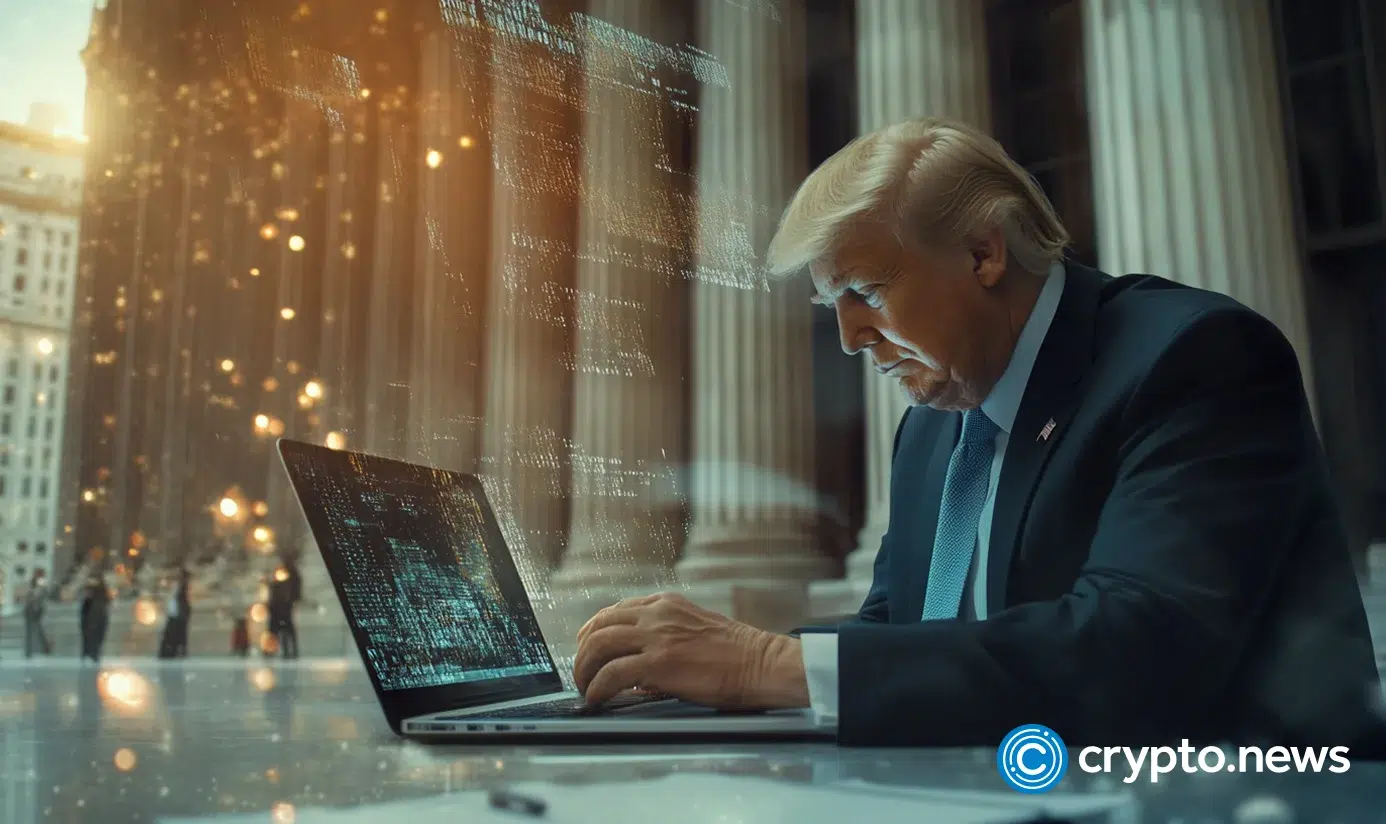
The US House Oversight and Government Reform Committee has opened a formal investigation into potential insider trading on prediction market platforms Kalshi and Polymarket. The probe, initiated on May 22 under Committee Chairman Rep. James Comer (R-KY), centers on high-stakes wagers that appear to have been placed with advance knowledge of major geopolitical events.
Letters, subpoenas, and suspicious timing
The committee sent letters to the CEOs of both Kalshi and Polymarket requesting documentation on user verification protocols and anti-insider trading enforcement mechanisms. The inquiry is specifically focused on sizable bets connected to US military actions against Iran and the political situation in Venezuela involving Nicolás Maduro.
Democratic lawmakers, particularly Rep. Chris Pappas (D-NH), had been pushing for subpoenas for records related to potentially corrupt trading activity in the days leading up to the formal announcement. Those demands surfaced around May 11-13, roughly a week and a half before the investigation went public.
Allegedly suspicious trades on these platforms resulted in profits exceeding $1 million from specific “Yes” contracts placed around key geopolitical events.
One case from April already set the tone for this investigation. A US Army soldier was accused of placing $33,000 in bets that yielded a gain of over $409,000 on contracts tied to Maduro-related outcomes.
Prediction markets meet regulatory reality
The Commodity Futures Trading Commission issued an advisory in February asserting its regulatory authority over insider trading in event contracts. Kalshi, which is CFTC-regulated, fought a lengthy legal battle just to offer election-related contracts. Polymarket, which operates on blockchain infrastructure and has primarily served non-US users, occupies an even murkier position.
The compliance question
The committee’s request for user verification documentation gets at a fundamental question: do these platforms actually know who is trading on them, and do they have systems in place to detect suspicious activity?
Kalshi has positioned itself as the compliant, regulated alternative in the prediction market space. For Polymarket, which processes trades on the Polygon blockchain, the questions around user identification and enforcement could be even more pointed.
What this means for investors
If the investigation uncovers systemic compliance failures, the regulatory response could reshape the entire prediction market industry. Stricter user verification requirements, mandatory suspicious activity reporting, and limitations on contract types tied to government actions are all plausible outcomes.
Investors should watch for the platforms’ responses to the committee’s document requests, any follow-up hearings that get scheduled, and whether the CFTC takes parallel enforcement action. The February advisory gave the agency a clear legal framework to act.
Disclosure: This article was edited by Editorial Team. For more information on how we create and review content, see our Editorial Policy.












 English (US) ·