
 3 weeks ago
18
3 weeks ago
18
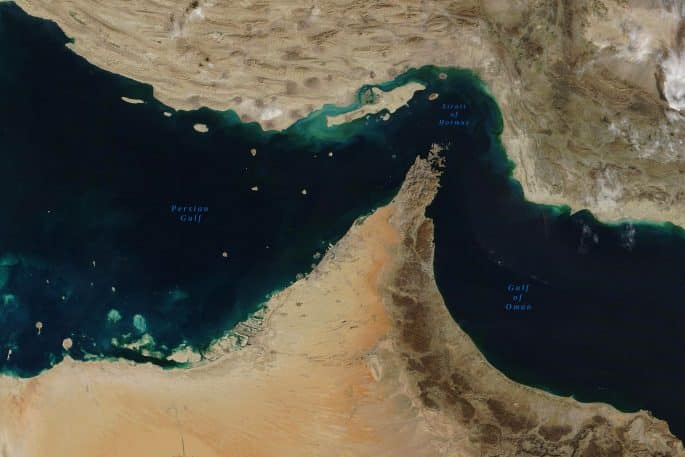
The U.S.-Iran conflict has turned into a naval standoff in the Strait of Hormuz, with both nations seizing ships. The likelihood of 80 ships transiting the Strait by April 30 now sits at 4% YES, down from 17% just 24 hours ago.
Market reaction
The market for ships transiting the Strait of Hormuz by April 30 collapsed as vessel seizures severely disrupted maritime traffic. Tanker movements are down 70%, effectively choking the Strait. A naval blockade makes it unlikely shipping volumes recover in the near term.
The possibility of the United Kingdom sending warships through the Strait by April 30 remains at 2.4% YES, unchanged despite the escalation, which suggests traders doubt immediate international military intervention. The market’s face value is $12,488/day, but actual trading volume is just $917/day, a sign of cautious participation.
Total USDC traded across these markets is $8,953. The ships transit market saw its largest single move, a 2-point spike at 10:22 AM.
Why it matters
The standoff directly threatens the Pakistan-brokered ceasefire that President Trump extended. The Strait of Hormuz handles a large share of global oil and LNG transit, so a sustained blockade has consequences well beyond these two markets. A YES share for 80 ships transiting by April 30 trades at 4¢, offering a potential 25x return. At those odds, traders would need a drastic de-escalation or negotiation breakthrough to justify the bet.
What to watch
Announcements from the UK Ministry of Defence or strategic moves by the IRGC could shift the naval situation quickly. Any change in blockade enforcement or diplomatic signals in the next few days will likely move these markets.
API access
Get prediction market intelligence as a structured API feed. Early access waitlist.













 English (US) ·