
 3 weeks ago
23
3 weeks ago
23
The Wall Street Journal is reporting that US and Israeli military strikes on Iran could begin within days if ongoing diplomatic efforts fail to produce a breakthrough. Mediators are reportedly scrambling to reach a limited agreement that would pause hostilities and keep dialogue alive, but the clock is running out.
What’s happening and why it matters now
The current diplomatic push follows months of escalating military confrontation between Iran and the US-Israel coalition. On February 28, 2026, joint US-Israeli operations struck over 2,000 Iranian targets, including leadership sites and missile installations. Subsequent assessments indicated those strikes delayed Iran’s nuclear weapons development timeline by up to two years, with critical scientists reportedly killed in the operations.
Iran didn’t sit quietly. The country retaliated with missile and drone attacks directed at regional targets, escalating the conflict into a cycle that now appears difficult to break.
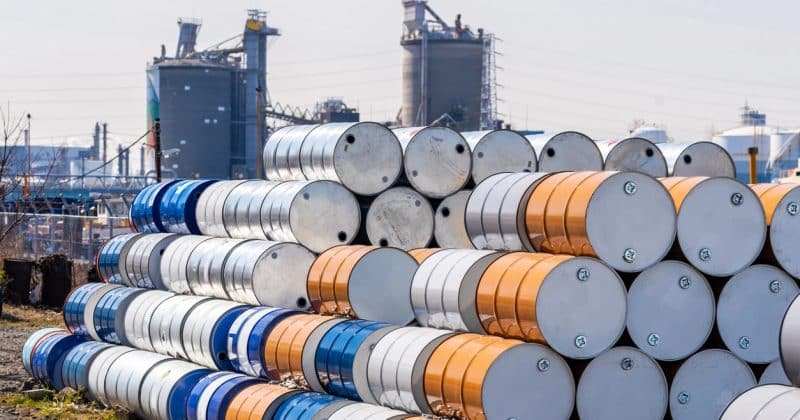
The concern driving the current urgency is that potential new strikes could target Iran’s energy infrastructure. Hitting oil facilities doesn’t just affect Iran. It sends crude prices surging globally, which cascades into every risk asset class, crypto included.
The crypto market’s geopolitical bruises
From February through April 2026, the overall crypto market cap dropped approximately 3% to $2.48 trillion as oil prices surged above $79 per barrel.
During one particularly sharp escalation phase in April 2026, over $415 million in crypto liquidations occurred within a single 24-hour period.
What this means for investors
The correlation between oil price movements and crypto behavior during this conflict has been unusually tight. Traders who want to stay positioned in crypto through this uncertainty need to be monitoring crude oil futures and geopolitical headlines with the same intensity they watch on-chain metrics.
The $415 million in liquidations from April suggests there’s significant short-side positioning that could fuel a squeeze if tensions de-escalate.
Disclosure: This article was edited by Editorial Team. For more information on how we create and review content, see our Editorial Policy.












 English (US) ·