
 4 weeks ago
8
4 weeks ago
8
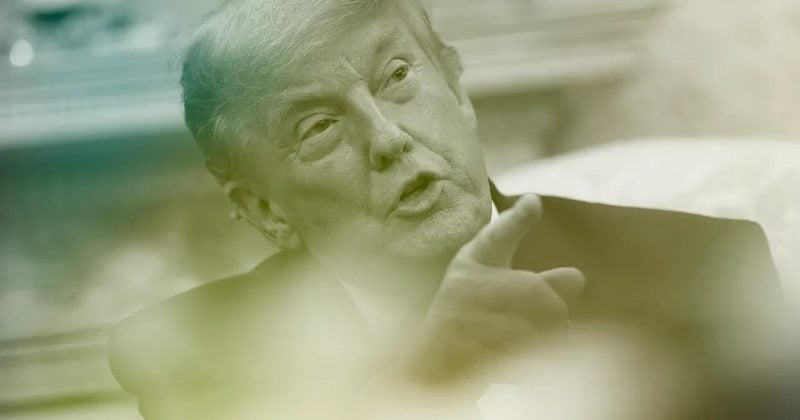
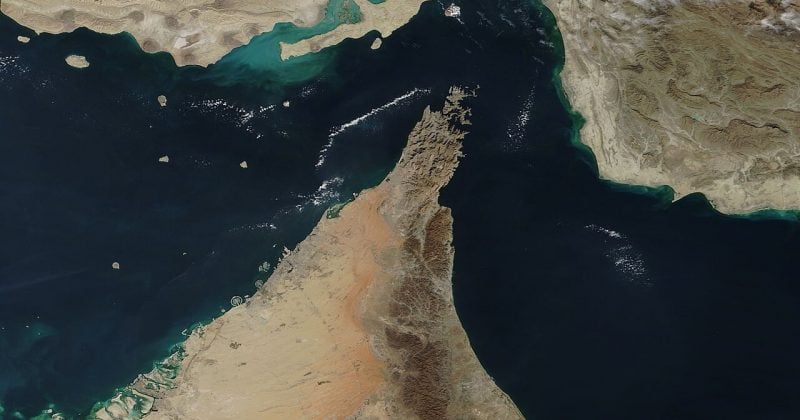
Vice President JD Vance has announced that the blockade on Iranian ports can be lifted once a memorandum of understanding (MoU) is signed, and he advocated for the Strait of Hormuz to be toll-free. This development comes amid ongoing efforts to de-escalate tensions between the United States and Iran, following a breakdown in talks earlier this year that led to a U.S.-imposed naval blockade. The Strait of Hormuz is a critical passage for global oil shipments, and Vance’s statement suggests a significant shift in U.S. policy towards normalizing maritime traffic through the region.
The announcement has had a noticeable impact on prediction markets, particularly those focused on the normalization of traffic through the Strait of Hormuz. The market for traffic normalization by July 31 has seen its YES probability increase, reflecting optimism about the potential lifting of the blockade. Meanwhile, markets focused on a June resolution remain more conservative, indicating some skepticism about the rapidity of implementation.
The broader implications of this policy shift are significant, as they could lead to a reopening of one of the world’s most important shipping routes. This would not only ease geopolitical tensions but also impact global energy markets, with potential ripple effects on oil prices and regional economic stability.
Key Takeaways
- Vance’s statement appears supportive of a YES outcome for the July 31 market, suggesting a major policy shift.
- The probability for traffic normalization by the end of June remains lower, indicating some skepticism among market participants.
- The lifting of the blockade and toll-free access to the Strait of Hormuz could have significant global economic implications.
What to Watch
Observers will be closely monitoring the signing of the MoU and any subsequent announcements regarding the lifting of the blockade. Key indicators will include statements from U.S. and Iranian officials, as well as monitoring reports from organizations like IMF PortWatch. Any indications of resumed commercial traffic through the Strait could further support YES outcomes in related markets. Additionally, developments in U.S.-Iran relations and their potential effects on shipping and energy transit will be critical to watch in the coming weeks.
Get prediction market intelligence as a structured API feed. Early access waitlist.
Disclosure: This article was edited by Estefano Gomez. For more information on how we create and review content, see our Editorial Policy.










 English (US) ·