
 1 month ago
24
1 month ago
24
American and Iranian negotiators have tentatively agreed to a 60-day memorandum of understanding that would extend an existing ceasefire and kick off formal discussions over Iran’s nuclear program. The deal is done in principle, but the person whose signature actually matters, President Donald Trump, hasn’t signed off yet.
Trump was briefed on the framework and indicated he needs more time to review the arrangement.
What’s actually in the deal
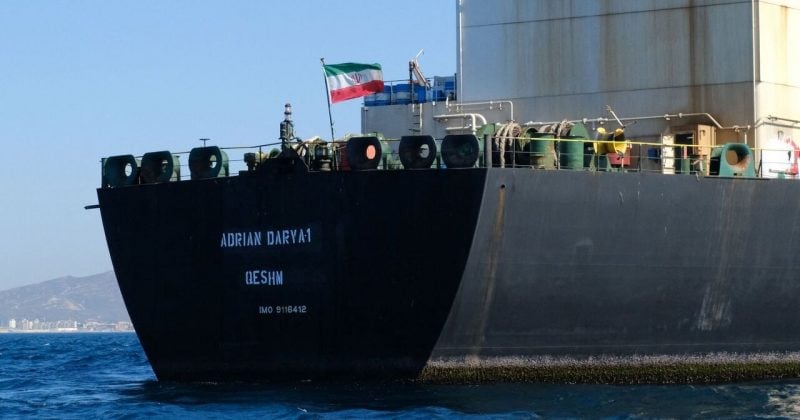
The tentative MOU, reported across multiple outlets on May 28-29, centers on two pillars: nuclear restrictions and sanctions relief. A key component involves the reopening of the Strait of Hormuz under the ceasefire arrangement. For context, roughly 20% of the world’s oil passes through that narrow waterway.
The negotiations have been ongoing since at least 2025, with various rounds of mediation producing incremental progress but no breakthrough.
The crypto angle you didn’t expect
In April 2026, the US sanctioned Iranian-linked crypto wallets and froze $344 million in associated digital assets. That action was part of a broader push to disrupt Iran’s ability to use blockchain networks to circumvent traditional financial sanctions.
Iranian wallets received $7.8 billion in digital assets during 2025, according to blockchain analytics.
A sanctions relief framework, if it materializes from these negotiations, could fundamentally alter how Iranian digital asset flows work. Sanctions relief tends to reduce the premium on privacy-focused tools and mixers that flourish under restrictive regimes. It also opens the door for Iranian exchanges and wallets to potentially integrate with global platforms, expanding liquidity in certain corridors.
Oil, risk appetite, and the macro picture
Analysts suggest that de-escalation in the region and a fully operational Strait of Hormuz could push crude prices lower.
What investors should actually watch
The 60-day window in the proposed MOU is the critical variable. If Trump approves and the clock starts ticking, markets will price in the probability of a more comprehensive deal at the end of that period.
For crypto-specific watchers, the sanctions angle deserves close attention. The $344 million freeze in April showed that US enforcement agencies are actively targeting Iranian crypto infrastructure. If these talks collapse, the US has historically responded to failed diplomacy with tighter economic pressure, and crypto has become a primary vector for sanctions evasion.
Disclosure: This article was edited by Editorial Team. For more information on how we create and review content, see our Editorial Policy.













 English (US) ·