
 1 month ago
23
1 month ago
23
The ceasefire between the US and Iran, established after last year’s Twelve-Day War, is teetering on the edge of collapse. President Donald Trump took to Truth Social on May 13 to announce that the agreement is on “massive life support,” calling Iran’s latest counterproposal “that piece of garbage.”
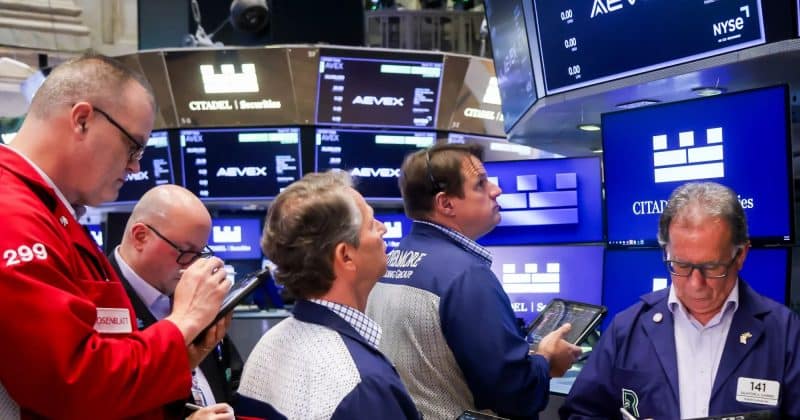
For markets, the timing is particularly uncomfortable. Oil prices and Treasury yields both climbed following Trump’s remarks, while US stocks shed an estimated $300 billion in value.
What happened and why it matters
The ceasefire took effect on June 24, 2025, ending the brief but intense Twelve-Day War between the US and Iran. That conflict, which rattled global energy markets and defense postures across the Middle East, was supposed to give both sides space to negotiate a longer-term resolution.
Iran’s demands include a full cessation of hostilities, the lifting of US blockades, and compensation for war damages. Trump’s characterization of that package as garbage suggests the gap between the two sides isn’t just wide, it’s a canyon.
The broader regional picture isn’t helping. Ongoing conflicts involving Israel continue to strain the ceasefire framework, adding layers of complexity to what was already a fragile arrangement.
Market fallout so far
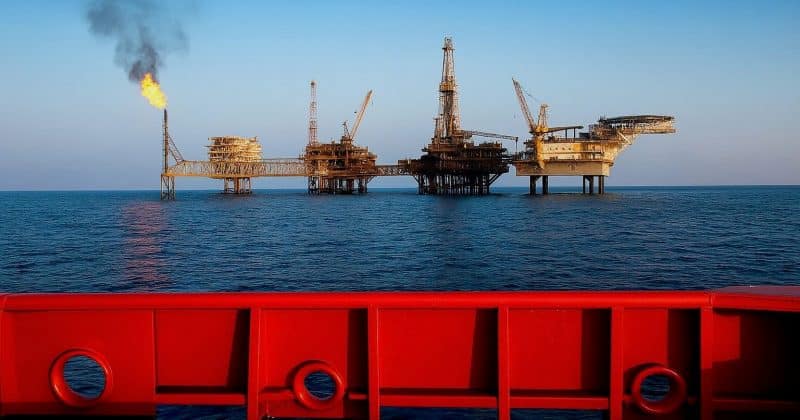
The immediate financial response was swift and predictable. Oil prices moved higher on fears that a collapse in the ceasefire could disrupt energy flows through the Strait of Hormuz. Treasury yields also rose, a signal that investors are repricing risk across the board. US stocks lost roughly $300 billion in value following Trump’s statement.
Crypto markets, for their part, have remained relatively steady. Bitcoin and major digital assets didn’t see the kind of panic selling that traditional markets experienced.
The geopolitical chess board
Trump’s comments arrive ahead of anticipated discussions with Chinese President Xi Jinping, adding another variable to an already complex equation.
Iran’s position is also worth understanding. Their demands for blockade removal and war damage compensation aren’t unusual in post-conflict negotiations. The ceasefire following the Twelve-Day War was mediated by the US and Qatar, and while both nations claimed victory, public statements from officials have highlighted a rift in perceptions regarding the agreement’s terms.
What crypto investors should be watching
The direct crypto impact has been muted so far. Higher oil prices push up costs across the global economy, which pressures central banks to maintain tighter monetary policy. Tighter policy means less liquidity, and less liquidity has historically been a headwind for speculative assets including crypto.
A stronger dollar tends to weigh on Bitcoin and other digital assets priced in USD. If the ceasefire collapses and capital flows toward traditional safe havens, crypto could feel the draft.
Crypto markets in 2026 are more institutionally integrated than they were even two years ago. Institutional investors who also hold equities and bonds are more likely to reduce risk across their entire portfolio when geopolitical headlines get ugly.
Disclosure: This article was edited by Editorial Team. For more information on how we create and review content, see our Editorial Policy.










 English (US) ·