
 1 month ago
36
1 month ago
36
The US Treasury Department dropped another hammer on Iran’s weapons supply chain, this time targeting nine individuals and entities spread across China, Hong Kong, Dubai, and Belarus. The June 10 action zeroes in on networks that have been funneling arms, including man-portable air-defense systems, to Iran’s Islamic Revolutionary Guard Corps.
What exactly happened
The Treasury’s Office of Foreign Assets Control, known as OFAC, designated the nine parties under Executive Order 13382. That order specifically targets proliferators of weapons of mass destruction and their support networks.
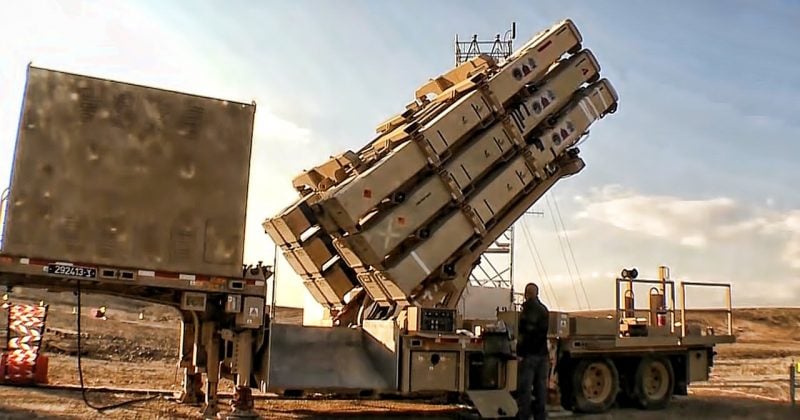
The most prominent name on the list is Yushita Shanghai International Trade Co Ltd, a Chinese firm accused of procuring MANPADS (man-portable air-defense systems) for Iran’s military. If you’re unfamiliar, MANPADS are shoulder-fired missiles designed to take down aircraft.
Two Hong Kong-based companies, AE International Trade Co Limited and Mustad Limited, were flagged as intermediaries. Their alleged role: facilitating financial transactions that kept the IRGC’s arms procurement humming along.
Dubai-based Elite Energy FZCO and Belarus-based Armory Alliance LLC were also sanctioned, along with individual nationals from Iran and Belarus linked to these procurement activities. The sanctioned parties collectively facilitated millions in arms transactions tied to the IRGC and Iran’s Ministry of Defense and Armed Forces Logistics.
The practical effect is straightforward. Any assets these entities hold within US jurisdiction are frozen. American persons and companies are prohibited from doing business with them. And any foreign financial institution that knowingly facilitates significant transactions on their behalf risks being cut off from the US financial system.
The ‘Economic Fury’ campaign and escalating pressure
This isn’t a one-off action. The designations are part of what the Treasury calls the “Economic Fury” campaign, a sustained effort to dismantle Iran’s military supply chains piece by piece.
Just a month earlier, on May 8, OFAC issued a similar round of sanctions targeting networks involved in procuring UAVs and ballistic missiles for Iran. That earlier action hit comparable intermediary structures, suggesting the US has mapped out a broader web of procurement networks and is systematically dismantling them.
Executive Order 13382 has been a cornerstone of US nonproliferation sanctions since it was first issued in 2005. It gives OFAC broad authority to target anyone providing material support to weapons proliferators.
What this means for crypto and digital asset investors
Iran has repeatedly turned to cryptocurrency as a sanctions evasion tool. When you cut a country off from SWIFT and correspondent banking, its operators don’t just give up. Bitcoin mining operations, peer-to-peer trading, and stablecoin transactions have all been documented as methods Iran-linked entities have used to move value across borders.
OFAC doesn’t just sanction people. It adds wallet addresses to the Specially Designated Nationals list. Exchanges that process transactions involving those addresses face severe penalties.
The geographic focus on China and Hong Kong adds another layer. These regions are home to some of the largest crypto trading volumes globally, and entities in these jurisdictions now face increased scrutiny from US regulators.
Investors should also watch for secondary sanctions risk. If the US determines that a crypto exchange or financial institution has been processing transactions for sanctioned entities, even unknowingly, the consequences can be severe. Compliance teams at major exchanges are likely already cross-referencing the newly designated names and addresses against their customer databases.
Disclosure: This article was edited by Editorial Team. For more information on how we create and review content, see our Editorial Policy.















 English (US) ·