
 1 month ago
33
1 month ago
33
The United States has struck near Tabriz, Iran’s fourth-largest city, pushing the geographic scope of the conflict further north than any previous operation in this current phase of hostilities. Tabriz sits in Iran’s northwestern corner, closer to Turkey and Azerbaijan than to Tehran, which makes its targeting a meaningful escalation in range and strategic intent.
Between March and June 2026, multiple strikes in and around Tabriz hit military installations, transport infrastructure, and a petrochemical facility. A strike reported on June 8 caused no casualties, suggesting U.S. forces may be calibrating some operations to degrade infrastructure rather than personnel.
The financial war running parallel to the military one
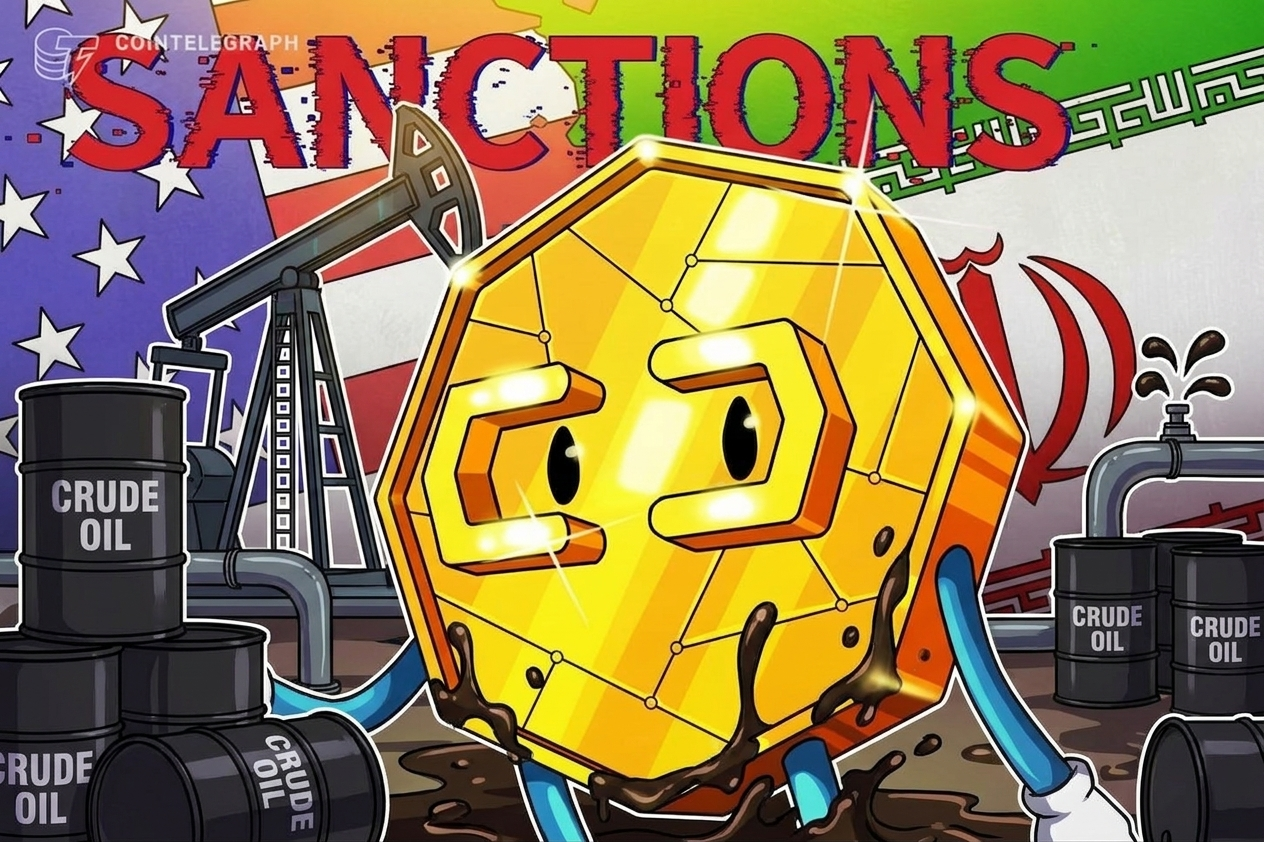
While aircraft hit bridges and military sites in Tabriz, the U.S. Treasury Department sanctioned Nobitex, Iran’s largest crypto exchange, on June 2, 2026, for allegedly facilitating financial flows tied to the Islamic Revolutionary Guard Corps.
In June 2025, hackers lifted roughly $90 million from the exchange, targeting wallets holding Bitcoin, Ethereum, and TRON. The breach exposed how deeply Iranian entities had embedded crypto into their financial architecture as a sanctions workaround.
The Treasury’s June 2026 action sanctioned Nobitex alongside key officials at the exchange, formally designating it as a tool for regime-linked fund movements. Reports indicate that during periods surrounding military strikes, IRGC-linked wallets saw notable fund outflows, with Iranian entities leaning harder on digital asset platforms as traditional banking channels remained locked.
Why Tabriz matters beyond the map
Tabriz anchors trade routes between Iran and its neighbors to the northwest, and the infrastructure strikes on highways and bridges near the city are aimed at severing logistics corridors that connect the capital to border crossings.
U.S. operations also extended to assets near the Strait of Hormuz in mid-July 2026, targeting Iranian military capabilities in the south while simultaneously pressing the north.
What this means for crypto investors
The Nobitex sanctions create a specific market risk. Exchanges and over-the-counter desks that had indirect exposure to Nobitex-linked wallets now face compliance pressure from their own regulators, as counterparties run enhanced due diligence to avoid secondary sanctions exposure.
Platforms operating in jurisdictions that enforce U.S. sanctions will face pressure to delist or block wallets flagged by Treasury’s Office of Foreign Assets Control. When the U.S. government simultaneously bombs infrastructure in northwestern Iran and sanctions the country’s largest crypto exchange in the same month, it signals that digital assets are now firmly inside the geopolitical toolkit, as both a pressure instrument and a sanctions-evasion vector that Washington intends to close.
Disclosure: This article was edited by Editorial Team. For more information on how we create and review content, see our Editorial Policy.












 English (US) ·