
 1 month ago
36
1 month ago
36
US Treasury prices jumped on July 14 after the June Consumer Price Index came in below expectations, prompting traders to rapidly unwind bets that the Federal Reserve would raise interest rates in the near term. The bond rally pushed yields lower and sent a ripple through every asset class that cares about the cost of money, which is to say, all of them.
Just 24 hours earlier, the mood was very different. Fed Governor Christopher Waller had spent July 13 warning that stubborn core inflation could force the central bank’s hand on tightening. Money markets had priced in roughly a 50% probability of a rate hike at the July meeting, with near-100% odds baked in for a move by September. Then the CPI print landed at 8:30 a.m. ET and rewrote the script.
What the inflation data actually showed
The June CPI reading came in softer than economists had forecast, marking a welcome deceleration from May’s 4.2% year-over-year inflation figure.
Traders didn’t need a second invitation. The probability of a July rate hike dropped sharply after the release, and the near-certainty of a September move also softened. Treasury prices, which move inversely to yields, climbed as the market repriced the entire rate path.
Waller’s hawkish comments the day before had pushed yields higher and rattled investors who were already on edge from geopolitical tensions related to Iran. The CPI print effectively acted as a pressure release valve, unwinding a full day’s worth of anxiety in a single data drop.
Why bond traders are watching crypto’s backyard
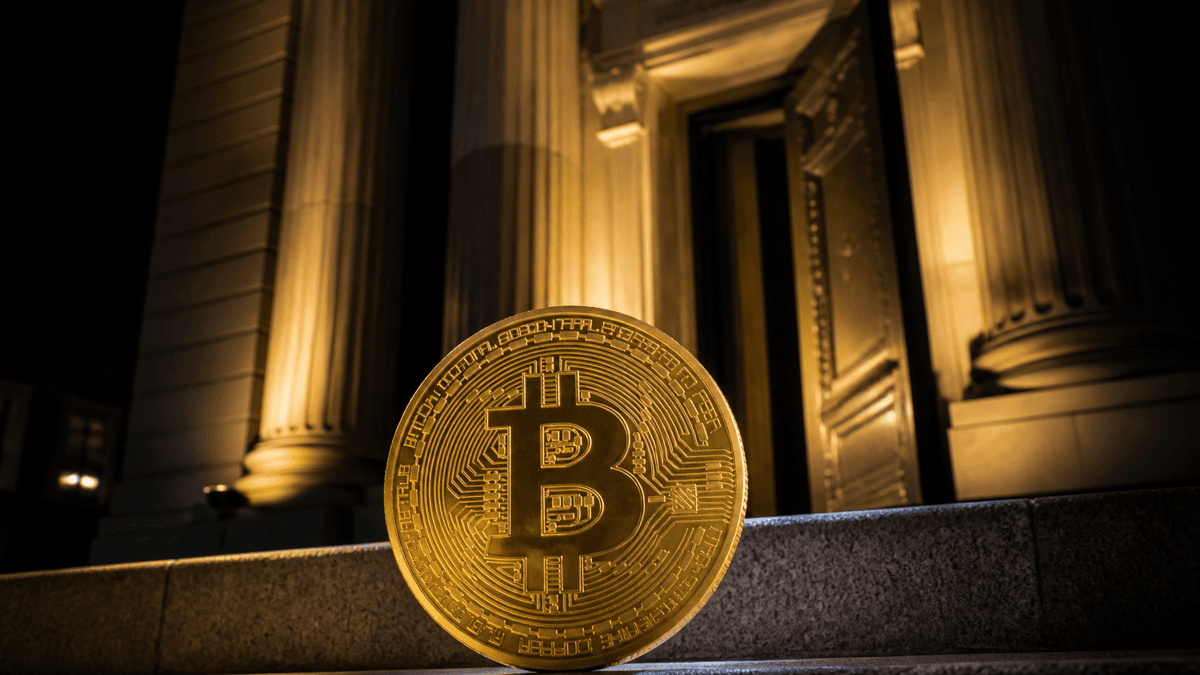
Tokenized US Treasuries, which are blockchain-based representations of government debt, hit a record total value locked of $15.35 billion earlier this year. That milestone reflects a growing overlap between traditional fixed income and the crypto ecosystem. When Treasury yields shift, it now moves capital on both sides of the traditional-DeFi divide.
What this means for investors
May’s 4.2% year-over-year reading was still well above the Fed’s 2% target. One softer print buys time. It doesn’t buy a pivot. Waller’s comments from July 13 remain relevant. If core inflation reaccelerates in the July or August readings, the rate hike conversation comes roaring back.
The $15.35 billion locked in tokenized Treasuries is a reminder that crypto and traditional finance are no longer separate conversations. When bond prices surge, it doesn’t just affect pension funds and insurance companies. It moves TVL, it shifts DeFi incentives, and it changes the calculus for anyone choosing between a 4% government-backed yield and a variable-rate lending protocol.
Geopolitical risks, particularly the Iran-related tensions that were contributing to rate hike expectations before the CPI drop, also remain a wild card. Safe-haven flows into Treasuries driven by geopolitics can muddy the inflation signal, making it harder for traders to isolate what’s driving yields at any given moment.
Disclosure: This article was edited by Editorial Team. For more information on how we create and review content, see our Editorial Policy.










 English (US) ·