
 3 weeks ago
24
3 weeks ago
24
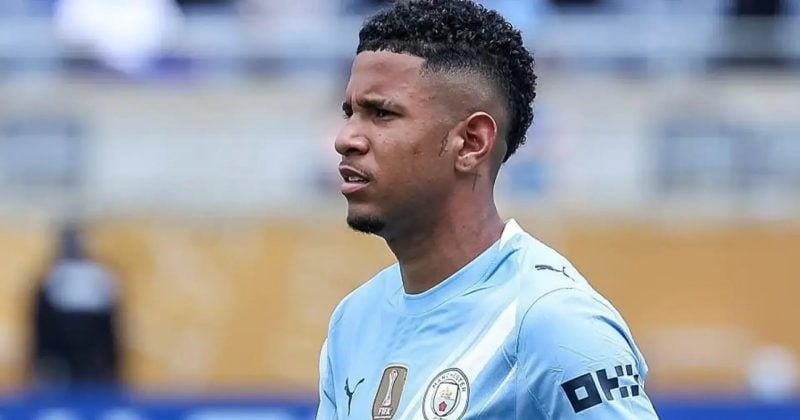
A 40-year-old goalkeeper from a country with roughly 500,000 people just broke the internet. Vozinha, Cape Verde’s number one, turned in the performance of a lifetime against Spain in the 2026 FIFA World Cup, and the crypto world did what the crypto world always does when something goes viral: it started minting tokens.
Unofficial memecoins referencing Vozinha and Cape Verde began popping up on decentralized exchanges almost immediately after the match. None of them carry any endorsement from the player or the Cape Verde Football Federation, which is worth stating plainly before anyone gets any ideas.
The save that launched 14 million follows
Here’s what happened on the pitch. Cape Verde, playing in their first-ever World Cup match, drew Spain 0-0 in Guadalajara, Mexico. Vozinha recorded seven saves against one of the most talented squads in international football, earning Player of the Match honors for the shutout.
The aftermath was even more dramatic than the match itself. Vozinha’s Instagram following exploded from approximately 50,000 to around 14 million in the days following the game. That’s a 280x increase, the kind of growth curve that most influencers and brands spend years and millions of dollars chasing.
At one point, his follower count reportedly surpassed that of NBA star Victor Wembanyama. A significant driver of his viral moment was extensive coverage from CazéTV, the Brazilian streaming platform that has become a major force in how Portuguese-speaking audiences consume football.
Memecoins arrive, as they always do
Multiple unofficial memecoins and fan tokens referencing the goalkeeper appeared on decentralized exchanges shortly after the match. Trading activity around these tokens spiked, fueled by the same wave of attention that was flooding Vozinha’s social media accounts.
None of these tokens have any official connection to Vozinha, his management, or the Cape Verde Football Federation. They are entirely community-created, speculative instruments with no underlying utility, partnership, or endorsement backing them up.
What this means for investors
The lack of any official endorsement is particularly important here. When a memecoin is tied to a real person’s name and image without their consent or participation, there’s an additional layer of legal and ethical risk. Federations and athletes have historically been aggressive about protecting their intellectual property, and tokens that use a player’s likeness without authorization could face takedown pressure.
Disclosure: This article was edited by Editorial Team. For more information on how we create and review content, see our Editorial Policy.






 English (US) ·