
 1 month ago
29
1 month ago
29
Asian equities kicked off the week with broad gains on June 1, powered by a seemingly insatiable appetite for AI-related chips. Japan’s Nikkei climbed 0.5%, South Korea’s KOSPI added 1.3%, and the MSCI Asia-Pacific ex-Japan index edged up 0.2%.
Meanwhile, oil prices pushed higher on renewed fears about supply disruptions through the Strait of Hormuz, the narrow chokepoint that handles roughly a fifth of the world’s petroleum traffic.
The AI trade keeps compounding
The Nikkei gained nearly 5% in the prior week. The KOSPI surged 8%. Taiwan’s benchmark added nearly 6%.
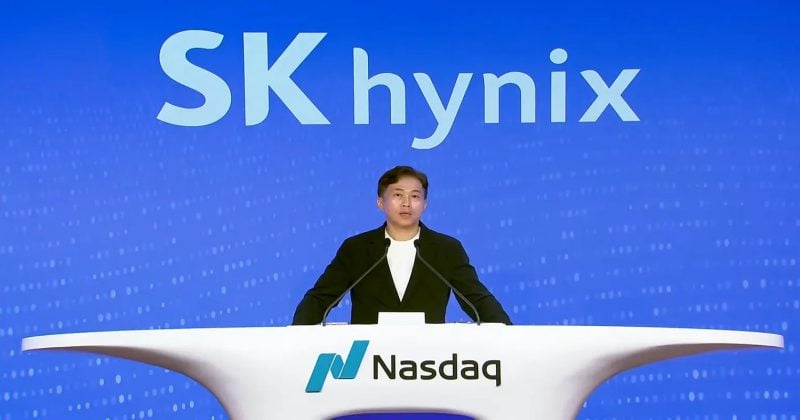
Samsung and SK Hynix are both approaching $1 trillion valuations, propelled by strong earnings and escalating investment commitments from AI-focused firms.
South Korea’s KOSPI has more than doubled year-to-date in 2026, a performance almost entirely attributable to the semiconductor sector’s gravitational pull. Taiwan, home to the world’s most critical chip foundries, raised its 2026 GDP forecast to nearly 9.6%. Chip demand is the reason.
Oil’s other storyline
Oil prices have been volatile since peaking above $120 per barrel in April 2026, largely driven by the collapse of US-Iran peace talks. Stalled negotiations have reintroduced the possibility of supply disruptions in the Persian Gulf, where Iranian military posturing near the Strait of Hormuz periodically rattles traders. Brent and WTI crude both climbed on the session.
What this means for investors
The semiconductor trade is essentially a bet on sustained AI infrastructure spending. Samsung and SK Hynix approaching $1 trillion each means the market is pricing in years of growth that hasn’t happened yet.
On the energy side, if US-Iran talks collapse entirely and military tensions escalate near the Strait of Hormuz, crude could retest or exceed the April highs above $120, introducing inflationary pressure that even AI chipmakers can’t fully ignore.
One metric worth watching closely is Taiwan’s GDP trajectory. A forecast of nearly 9.6% growth is extraordinary for any economy, let alone one of Asia’s most developed.
Disclosure: This article was edited by Editorial Team. For more information on how we create and review content, see our Editorial Policy.










 English (US) ·