
 1 month ago
27
1 month ago
27
For three straight quarters, CEO confidence had been climbing. That streak is over.
The Vistage CEO Confidence Index fell 1.7 points to 87.2 in Q1 2026, based on a survey of 1,302 small and midsize business leaders conducted between March 2 and March 16. It marks the first decline since the index began its upward trajectory in mid-2025, and the timing isn’t subtle: the Iran conflict had just kicked off shortly before executives filled out their questionnaires.
The numbers paint a conflicted picture
The Business Roundtable’s Q1 2026 CEO Economic Outlook Index, which polls 169 leaders of large corporations, actually rose nine points to 89. That’s above the long-term average of 83, driven by expectations for stronger sales and increased capital expenditures.
A Chief Executive poll from May 2026 adds a more cautious note. The share of CEOs expecting better business conditions over the next year dropped from 52% in April to 48%.
The Vistage survey captures this tension neatly. 29% of respondents now expect US economic conditions to worsen over the next 12 months. Only 27% anticipate improvement.
Oil, supply chains, and the Strait of Hormuz problem
The Strait of Hormuz, through which a massive share of global oil shipments pass, sits at the center of the disruption. Rising energy prices have rippled through supply chains, pushing up input costs across industries. Consumer confidence scores have cratered to near-record lows, largely because people are paying more at the gas pump and the grocery store.
Roughly 45% of surveyed executives are planning price hikes in the range of 4% to 7% to offset margin pressures from escalating fuel costs, tariffs, and other input expenses.
Iran’s crypto workaround and what it means for Bitcoin
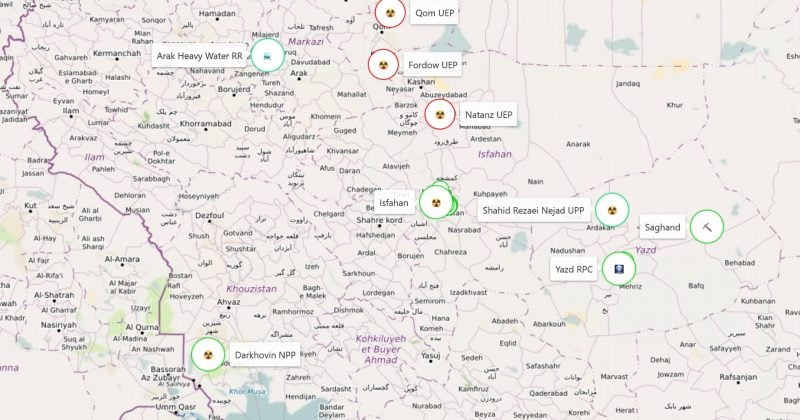
Iran has been building a substantial digital asset ecosystem, now valued at over $7.78 billion. The country has increasingly leaned on crypto as a tool for navigating international sanctions, using decentralized networks to move value across borders when traditional financial channels are blocked. As the rial continues to devalue under the pressure of conflict and sanctions, Iranian entities and individuals have accelerated their adoption of Bitcoin and other digital assets as a store of value and a medium for international trade.
What this means for investors
For equity investors, the 4% to 7% planned price increases across nearly half of surveyed companies suggest margin preservation is the priority, not growth investment. Sectors heavily exposed to energy costs, like transportation, manufacturing, and consumer goods, are likely to feel the squeeze most acutely.
For crypto investors, the Iran dynamic adds a layer of complexity to an already volatile market. The $7.78 billion Iranian crypto ecosystem is large enough to matter but unpredictable enough to be dangerous.
Disclosure: This article was edited by Editorial Team. For more information on how we create and review content, see our Editorial Policy.











 English (US) ·