
 1 month ago
41
1 month ago
41
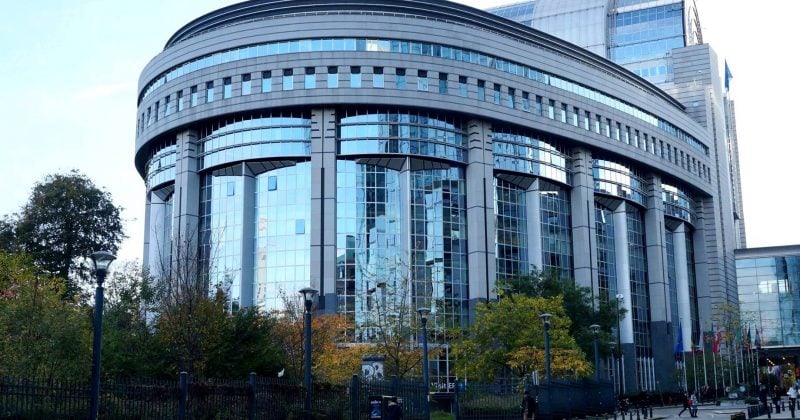
EU foreign ministers are gathering in Brussels on Monday to debate whether to impose trade restrictions on goods produced in Israeli settlements in the occupied West Bank. The meeting is exploratory, not a vote. But with roughly 20 member states pushing for action, the conversation has moved well past the hypothetical stage.
The European Commission has prepared a confidential options paper laying out three paths forward: an import licensing system, elevated tariffs designed to make settlement goods less competitive, or a full or partial import ban. None of those outcomes are expected Monday. The point is to take the temperature of the room.
What’s actually on the table
The trade itself is not enormous. EU imports from Israeli settlements clock in at an estimated €230 million annually, consisting mostly of agricultural products.
The discussion follows a 2024 International Court of Justice advisory opinion that questioned the legality of economic ties to Israeli settlements. It also builds on sanctions the EU adopted in May 2026, targeting seven individuals and entities linked to settler violence against Palestinians in the West Bank.
Several member states aren’t waiting for the bloc to reach consensus. Ireland is pushing to implement its own national ban on settlement goods by mid-July 2026. Belgium, Spain, and the Netherlands are advancing their own legislative measures as well.
Why crypto should be paying attention
The EU has been steadily tightening its grip on crypto compliance through MiCA and successive anti-money laundering directives. When new sanctions regimes emerge, even ones focused on physical goods, crypto exchanges and payment processors operating within EU jurisdiction face expanded obligations to screen transactions, counterparties, and beneficial owners against updated sanctions lists.
The May 2026 sanctions on settler-linked individuals and entities are a case study. Once names hit the EU’s consolidated sanctions list, every licensed crypto platform in Europe must ensure those individuals and entities cannot use their services.
The geopolitical backdrop
Ireland, which has historically taken strong positions on Palestinian rights, is furthest along in its national legislative process. Belgium and the Netherlands have followed with their own proposals.
The EU’s May 2026 sanctions were relatively narrow, targeting specific individuals and entities rather than broader economic activity. A trade restriction on settlement goods would represent a significant escalation in scope, even if the economic impact remains modest. It would mark the first time the EU has restricted trade flows connected to settlements as a matter of bloc-wide policy.
What investors should watch
Crypto firms with significant European operations should be tracking the evolution of EU sanctions lists closely. The May 2026 additions were a down payment. Any escalation to trade-level restrictions will likely bring additional sanctioned entities, and the compliance burden compounds with each addition.
Disclosure: This article was edited by Editorial Team. For more information on how we create and review content, see our Editorial Policy.












 English (US) ·