
 1 hour ago
1
1 hour ago
1
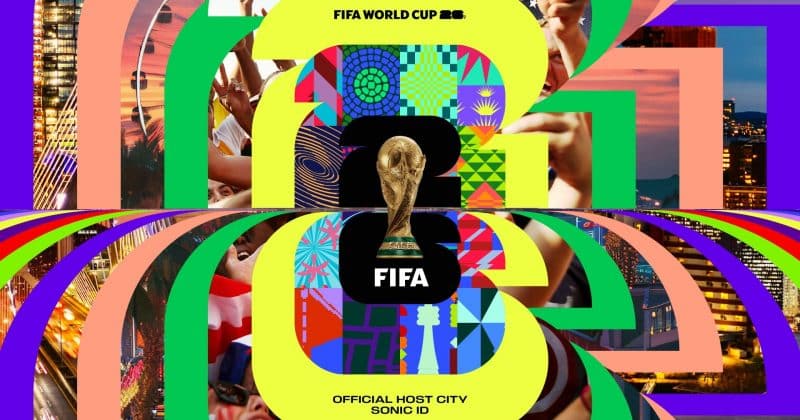
FIFA has named the match officials for World Cup matches 77, 78, and 79, the latest in a rolling series of referee appointments leading into what will be the largest tournament in the competition’s history. The three fixtures, all scheduled for June 30, 2026, pit France against Sweden at MetLife Stadium in New York/New Jersey, Côte d’Ivoire against Norway at AT&T Stadium in Dallas, and Mexico against Ecuador in Mexico City.
The appointments are part of an officiating operation that dwarfs anything FIFA has assembled before. On April 9, 2026, the governing body revealed a cohort of 52 referees, 88 assistant referees, and 30 video match officials, all tasked with covering a record 104 matches across the tournament’s three host nations: Canada, Mexico, and the United States.
A World Cup built for scale
The 2026 edition is the first World Cup to feature 48 teams, up from 32 in previous cycles. That expansion from 64 matches to 104 is roughly a 63% increase in game volume, which explains the need for a referee roster that reads more like a small army than a panel.
The tournament runs from June 11 to July 19, 2026, spanning five weeks across stadiums in three countries.
FIFA has opted to announce match official appointments on a rolling basis rather than releasing the full slate at once. That approach gives the organization flexibility to account for performance, fitness, and any issues that might arise as the tournament progresses.
Crypto’s growing role on soccer’s biggest stage
Kraken has been designated as the Official Crypto Exchange Supporter of the 2026 World Cup.
The partnership sits alongside a broader push by FIFA to incorporate blockchain technology into fan engagement. Belgium launched a fan token, $BELG, via Socios.com on June 3, 2026, just days before the tournament kicked off. Fan tokens are digital assets that typically give holders voting rights on minor club or team decisions and access to exclusive content.
What this means for investors
Fan tokens like $BELG tend to experience price volatility tied to team performance. If Belgium goes on a deep tournament run, expect speculative buying. If they exit early, expect the opposite. This pattern has played out reliably in previous tournaments and league seasons where fan tokens exist.
Fan tokens have drawn regulatory scrutiny in several jurisdictions, with critics arguing they blur the line between sports merchandise and unregistered securities.
Disclosure: This article was edited by Editorial Team. For more information on how we create and review content, see our Editorial Policy.





 English (US) ·