
 1 month ago
50
1 month ago
50
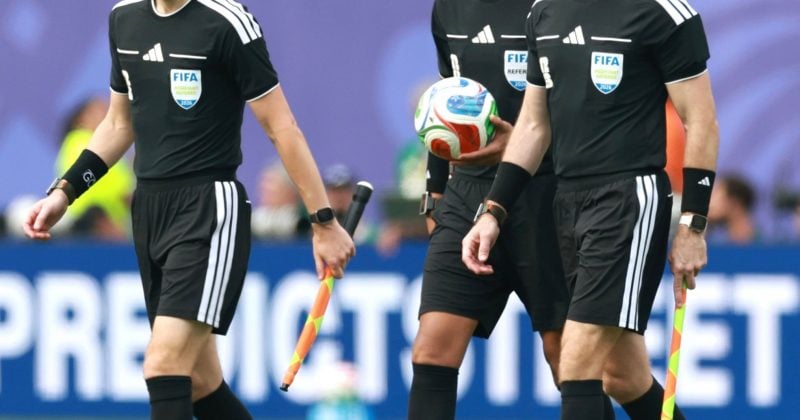
FIFA named Slovenian referee Slavko Vincic to officiate the 2026 World Cup final between Argentina and Spain on July 16. The next day, reports resurfaced about his detention during a 2020 police raid in Bijeljina, Bosnia and Herzegovina.
The raid itself was significant. Police detained 35 people, seized 14 packages of cocaine, 10 pistols, three suits of body armor, and over €10,000 in cash. The operation targeted an alleged international prostitution ring led by a woman named Tijana Maksimovic, who later pleaded guilty to running it.
Vincic was among the 26 men and 9 women held that night. He was released without charges and classified strictly as a witness. No criminal proceedings followed against him. FIFA, aware of the incident, still handed him the biggest refereeing assignment on the planet.
What actually happened in 2020
The May 26, 2020 raid in Bijeljina was a targeted law enforcement sweep against what police described as an organized criminal operation with international links. Vincic later described his presence at the location as his “biggest mistake,” stating he had accidentally found himself there after accepting a lunch invitation while conducting business.
Since that night, Vincic has gone on to referee at the highest levels of European football. He has worked Champions League matches and was appointed to the 2022 World Cup in Qatar. FIFA’s decision to elevate him to the 2026 final suggests the governing body conducted its own review and found nothing disqualifying.
Maksimovic’s guilty plea closed the criminal chapter of that case. Vincic’s name was never attached to charges, and no subsequent reporting has linked him to the criminal enterprise itself.
Why sports integrity markets are paying attention
From a governance standpoint, this story matters because sports officiating sits at the center of a multi-billion-dollar betting ecosystem. Referees influence outcomes that drive enormous volumes of wagering, prediction markets, and on-chain sports betting protocols.
On-chain sports platforms face a specific version of this problem. Smart contracts settle automatically based on outcomes. If the integrity of those outcomes is questioned post-settlement, there is no appeals process, no chargeback, no human override.
FIFA has been building its own blockchain infrastructure, including digital collectibles and fan engagement products, that depend heavily on the organization’s reputational credibility.
Broader police operations targeting human trafficking near World Cup venues in 2026 have already drawn attention from human rights organizations and sponsors. That backdrop makes the Vincic story land harder than it might have in a quieter news cycle.
Disclosure: This article was edited by Editorial Team. For more information on how we create and review content, see our Editorial Policy.









 English (US) ·