
 1 month ago
39
1 month ago
39
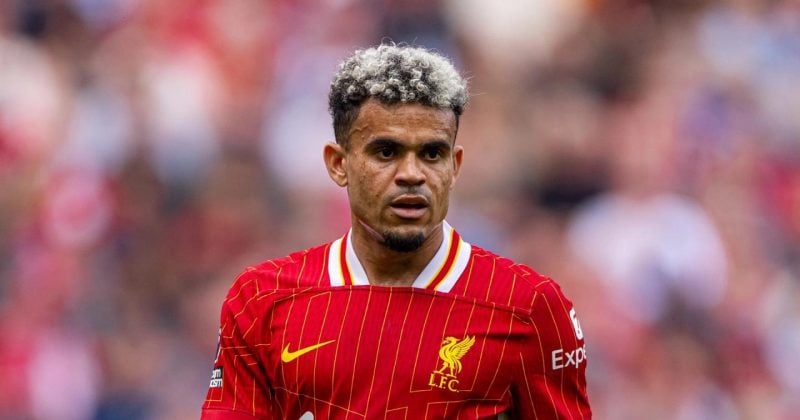
FIFA has a rule about political interference. So when President Donald Trump personally called FIFA President Gianni Infantino to argue that US striker Folarin Balogun’s red card wasn’t warranted, and FIFA subsequently lifted the automatic one-match ban, the reaction from the global soccer community was roughly what you’d expect.
Balogun received a straight red card on July 1 during the Americans’ 2-0 win over Bosnia and Herzegovina. The card carried an automatic suspension that would have sidelined him for the round of 16 match against Belgium. Trump contacted FIFA around July 5, arguing the tackle didn’t constitute a foul. FIFA then suspended the ban, clearing Balogun to play.
FIFA’s credibility problem
UEFA has publicly criticized the move. Former FIFA President Sepp Blatter called it unjust political intervention that contradicts the federation’s core principles of neutrality.
The 2026 World Cup is co-hosted by the United States, Canada, and Mexico, with the expanded 48-team format already generating massive global viewership. Having the president of one of the host nations successfully lobby to overturn a disciplinary decision raises immediate questions about whether the tournament’s officiating can be trusted going forward.
FIFA’s own statutes explicitly prohibit government interference in football governance. Member associations can be suspended for allowing political meddling. The fact that this intervention came from the head of state of a co-host nation, and that FIFA appeared to comply, creates a precedent that could haunt the organization for years.
What this means for FIFA’s commercial ecosystem
Kraken, the major US-based crypto exchange, is positioned as an official supporter of the 2026 World Cup. FIFA also operates FIFA Collect, its NFT platform built on the Avalanche blockchain. These partnerships were designed to capitalize on the tournament’s massive audience to drive adoption of digital assets and collectibles.
Neither Kraken nor Avalanche has any connection to the Balogun controversy itself. But when a sponsor’s partner organization becomes the center of a governance scandal, the sponsor inherits some of that reputational baggage whether they like it or not.
The broader market implications
Fan tokens and sports NFTs have struggled to maintain relevance after the initial hype cycles of 2021 and 2022. The 2026 World Cup was supposed to be a chance for platforms like FIFA Collect to demonstrate that digital collectibles could sustain real demand when tied to a genuinely massive global event.
Investors holding tokens like CHZ or AVAX, both of which have exposure to sports partnerships, should be watching public sentiment closely over the coming days.
Disclosure: This article was edited by Editorial Team. For more information on how we create and review content, see our Editorial Policy.





 English (US) ·