
 1 month ago
30
1 month ago
30
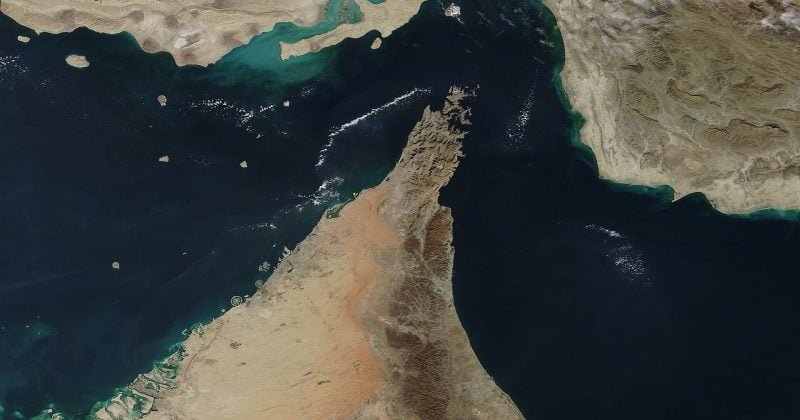
Iran’s navy says it fired warning missiles and deployed drones at two US guided-missile destroyers in the Gulf of Oman on June 5. The targets were the USS Truxtun (DDG-103) and USS Mason (DDG-87), according to Iranian state media.
US Central Command denied that any attacks occurred, issuing a rebuttal on the same day. Iranian authorities, meanwhile, accused the US of harassing maritime traffic and seizing vessels in the region.
What happened in the Gulf of Oman
Iranian reports claimed the two US destroyers withdrew after the warning shots were fired. CENTCOM’s version of events paints a very different picture, flatly stating no attack took place.
Prediction markets had already flagged elevated probabilities of Iranian military action in the region heading into June. The confrontation, real or exaggerated, validated those risk assessments.
Bitcoin as a sanctions-evasion tool
Weeks before the naval incident, on May 18, Iran launched something called “Hormuz Safe.” It’s a Bitcoin-backed maritime insurance platform designed to facilitate shipping transactions through the Strait of Hormuz.
The US Treasury responded in kind, freezing approximately $344 million in digital assets linked to the Iranian regime. That freeze was connected to broader maritime enforcement actions, suggesting Washington sees the crypto angle as a direct extension of the military confrontation.
Why crypto investors should care
The immediate market impact of the June 5 incident was muted. Digital asset prices didn’t spike or crater on the news.
The $344 million asset freeze suggests US enforcement agencies are getting more aggressive about tracing and seizing crypto tied to sanctioned entities. If that capability scales, it undermines the very premise Iran is betting on with Hormuz Safe. If it doesn’t scale, other sanctioned nations will take note and build similar platforms.
The prediction markets that flagged elevated conflict risk before June 5 are worth monitoring as a leading indicator. If those probabilities continue climbing, expect defensive positioning to show up in crypto derivatives markets: higher put volumes, wider spreads, and declining open interest in perpetual futures.
Disclosure: This article was edited by Editorial Team. For more information on how we create and review content, see our Editorial Policy.












 English (US) ·