
 1 month ago
28
1 month ago
28
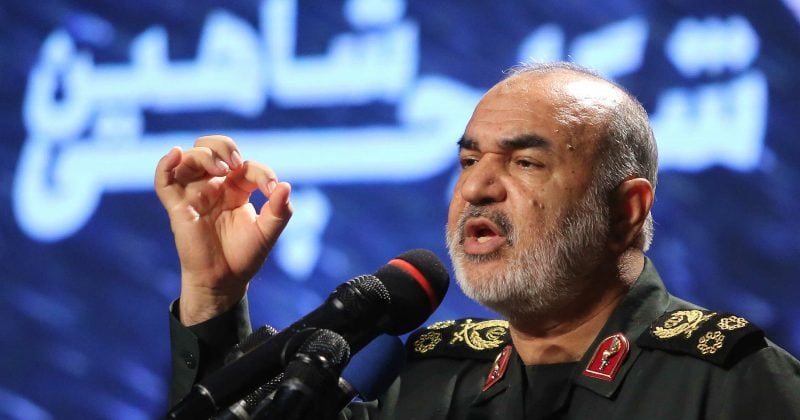
Iranian President Masoud Pezeshkian traveled to Najaf, Iraq, to attend the funeral procession of Supreme Leader Ali Khamenei, marking one of the most consequential moments in Iranian politics in over three decades. Khamenei, who died at age 86 in February 2026, served as the Islamic Republic’s top authority since 1989, and the elaborate multi-city funeral that followed has become a geopolitical event with ripple effects that extend well beyond Tehran.
The funeral processions spanned from July 3 to July 9, weaving through Tehran, Qom, the Iraqi Shia holy cities of Najaf and Karbala, and concluding with burial in Mashhad. Millions of mourners turned out across the route, a choreographed display of national unity at a moment when Iran can least afford to look fractured.
A power vacuum with global implications
Khamenei’s death occurred during the early stages of a US-Israeli conflict, which makes the timing particularly volatile. The Iranian state apparatus, alongside Pezeshkian, who assumed the presidency in 2024, has used the funeral proceedings to project stability.
Mojtaba Khamenei, Ali Khamenei’s son and the figure most frequently cited as a potential successor, was notably absent from key public events during the funeral. In a system that communicates power through presence, that absence is loud.
Why crypto markets should care about Tehran’s next move
The funeral events themselves didn’t trigger any immediate movement in crypto markets. No sudden spikes in Bitcoin, no unusual on-chain activity linked to Iranian wallets, no regulatory announcements from Tehran regarding digital assets. In the short term, this is a non-event for your portfolio.
Iran has a complicated history with digital assets. The country has explored cryptocurrency mining using its subsidized energy resources, and Iranian entities have historically looked at digital currencies as a potential tool for navigating Western sanctions.
Traders watching this space should monitor two things closely. First, any announcements from Iran’s Assembly of Experts regarding Khamenei’s successor, because that choice will signal the direction of economic and technology policy. Second, any response from the US Treasury or Financial Action Task Force that references Iranian digital asset activity, because that’s where the regulatory consequences will materialize for Western-based crypto participants.
Disclosure: This article was edited by Editorial Team. For more information on how we create and review content, see our Editorial Policy.










 English (US) ·