
 1 month ago
33
1 month ago
33
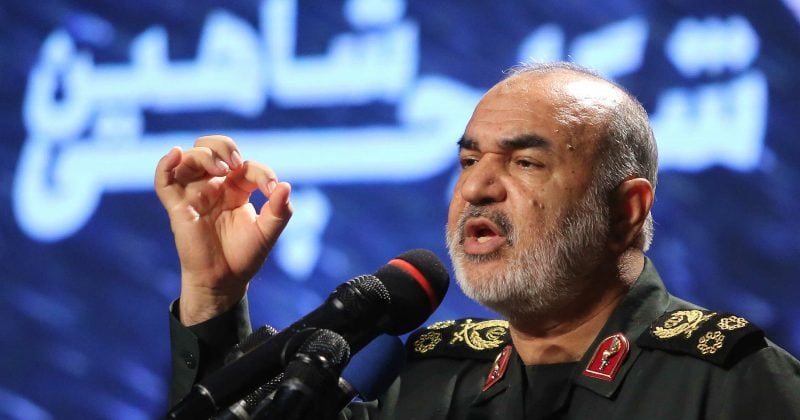
Iran has launched strikes on sites in Bahrain and Kuwait, following recent U.S. military actions against Iranian targets. The attacks represent a significant escalation in the ongoing 2026 conflict involving the United States and Iran, which began in February with U.S.-Israeli operations. Despite a ceasefire agreement and subsequent memorandum aimed at reducing hostilities, Iran’s actions appear to be a response to alleged American ceasefire violations. The Islamic Revolutionary Guard Corps (IRGC) has claimed responsibility for these strikes, accusing the U.S. of provoking further conflict and threatening to halt all diplomatic processes.
Key Takeaways
- The escalation appears consistent with increased military tensions, suggesting a potential for more widespread conflict in the region.
- Markets suggest a significant increase in the likelihood of a full Iranian airspace closure by July 31, with current odds at 15.5%.
- The ongoing military actions and Iran’s retaliatory measures suggest a possible increase in geopolitical instability, impacting related markets.
What to Watch
Observers are closely monitoring the response from the Civil Aviation Organization of Iran, as a NOTAM indicating airspace closure would align with the current market pricing. Additionally, statements from U.S. officials, particularly regarding further military actions or de-escalation efforts, could significantly influence market perceptions. The continuation of hostilities may further increase the probability of a full airspace closure as a precautionary measure. Watch for any changes in diplomatic communications or additional military engagements in the region.
Get prediction market intelligence as a structured API feed. Early access waitlist.
Disclosure: This article was edited by Estefano Gomez. For more information on how we create and review content, see our Editorial Policy.











 English (US) ·