
 1 month ago
15
1 month ago
15
Iran’s Islamic Revolutionary Guard Corps launched a strike against a US air base in Kuwait early on May 28, marking a sharp escalation in a conflict that has simmered since late February and sent shockwaves through global markets, crypto included.
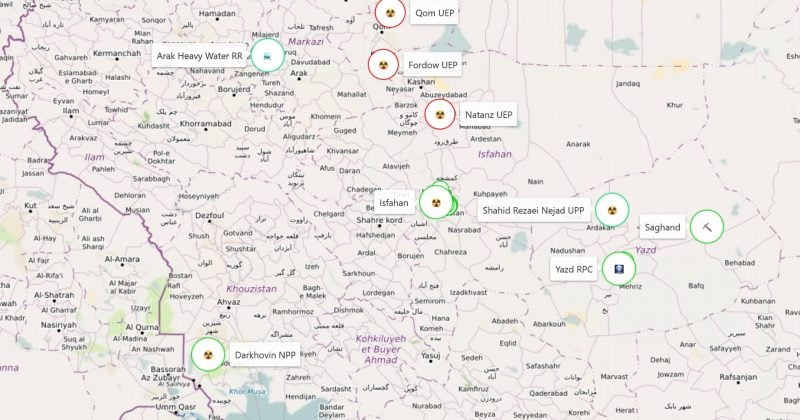
The target was Ali Al-Salem, a key American military installation in Kuwait. The IRGC said the attack was retaliation for recent US airstrikes near Bandar Abbas airport and the strategically vital Strait of Hormuz, a narrow waterway that functions as the world’s most important oil chokepoint.
What happened and why it matters
The strike landed at 4:50 a.m. local time. The US had characterized its own earlier military actions as defensive, responding to threats from Iranian drones targeting American forces operating in the Strait of Hormuz.
A fragile ceasefire had been holding for roughly three months before this. That ceasefire emerged from a broader conflict rooted in US and Israeli strikes against Iranian assets that began in late February 2026. The attack on Ali Al-Salem effectively shattered whatever was left of that arrangement.
The diplomatic collapse accelerated after President Trump publicly dismissed Iranian claims of a draft deal that would have restored commercial shipping through the Strait of Hormuz. Trump called those claims “complete fabrication” and indicated the US would not accept any joint management of the Strait by Iran and Oman.
Iran had previously closed the Strait of Hormuz to commercial traffic as part of its broader retaliation strategy. That closure alone was enough to rattle energy markets and cascade uncertainty into every risk-sensitive asset class, from equities to crypto.
Bitcoin’s geopolitical stress test
The pattern over the past three months has been fairly consistent. Prices dip when bombs drop. They rebound when diplomats talk. The May 28 escalation followed that script, with Bitcoin selling off as news of the Ali Al-Salem strike circulated.
During earlier phases of the Iran-US conflict, periods of de-escalation or favorable negotiation signals pushed Bitcoin higher. The correlation between Strait of Hormuz developments and crypto market performance has become difficult to ignore, even if no specific tokens are directly tied to the conflict itself.
Disclosure: This article was edited by Editorial Team. For more information on how we create and review content, see our Editorial Policy.













 English (US) ·