
 1 month ago
34
1 month ago
34
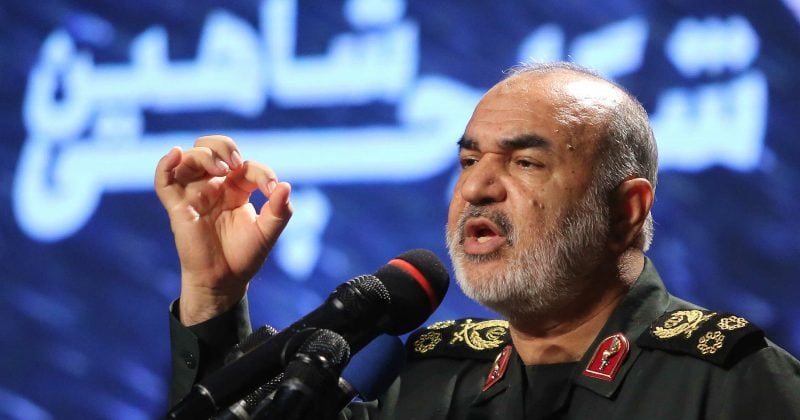
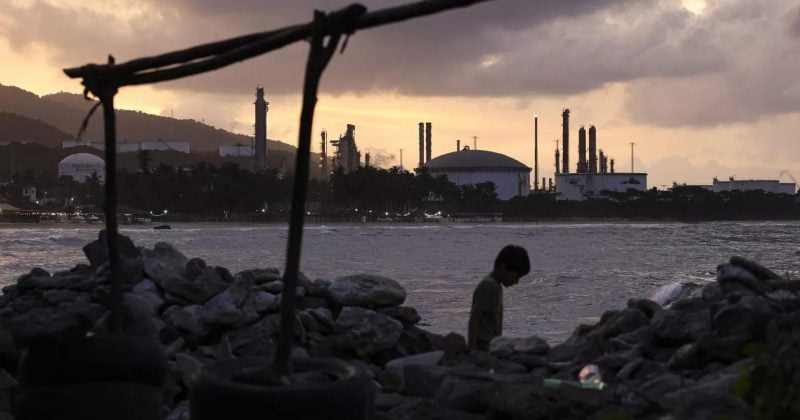
The global oil market has absorbed the loss of over a billion barrels of oil supply since the onset of the Iran war, according to a recent Reuters report. This situation arose following the closure of the Strait of Hormuz, a critical chokepoint for global oil trade, which has significantly disrupted oil shipments. Despite the substantial supply loss, the market has not yet experienced the extreme price spikes some had feared. However, with emergency reserves now heavily drawn down, the potential for future price increases remains a concern. Current market pricing reflects this uncertainty, with ongoing geopolitical tensions and depleted reserves suggesting possible upward pressure on oil prices.
The prediction market for crude oil reaching a new all-time high by September 30 currently shows a 2.5% probability for a YES outcome. This is a decrease from previous weeks, where it stood at 10% a week ago. Meanwhile, the probability for the same outcome by December 31 is at 7.5%, suggesting a slight increase in perceived risk in the longer term. The market’s current stance appears to reflect cautious optimism that immediate price spikes may not occur, but there remains an underlying concern about future oil price volatility.
The geopolitical landscape, particularly actions by key oil-producing nations and changes in global demand, will continue to be critical factors. OPEC’s production decisions, along with any shifts in geopolitical stability in the Middle East, are likely to be significant determinants of future market movements.
Key Takeaways
- Market pricing suggests participants are cautiously optimistic about avoiding immediate price spikes despite significant supply disruptions.
- The probability of oil reaching a new all-time high by September 30 has decreased, consistent with short-term stability, while longer-term risks remain.
- Future pricing appears influenced by geopolitical tensions and the state of global oil reserves.
What to Watch
Key actors such as OPEC Secretary General Mohammad Sanusi Barkindo and IEA Executive Director Fatih Birol will be influential in upcoming decisions. The next OPEC meeting on August 2 could provide further clarity on production adjustments. Developments in Middle Eastern geopolitical stability will also be critical. Any major news concerning global oil supply and demand could shift market expectations significantly.
Get prediction market intelligence as a structured API feed. Early access waitlist.
Disclosure: This article was edited by Estefano Gomez. For more information on how we create and review content, see our Editorial Policy.









 English (US) ·