
 2 hours ago
2
2 hours ago
2
Kioxia Holdings, one of the world’s largest NAND flash memory manufacturers, saw its shares plunge as much as 12% on June 26, dragging down a stock that had been one of the most spectacular performers in the semiconductor space over the past year.
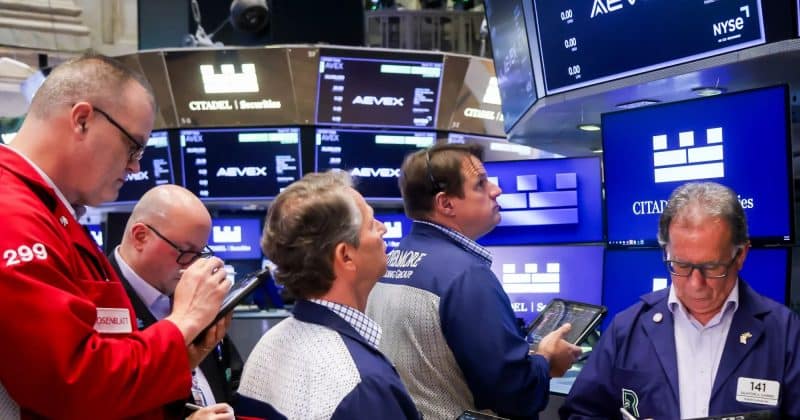
The trigger was familiar to anyone who’s watched the AI trade unravel before: a single report about OpenAI potentially pushing its IPO to 2027, and suddenly every stock within three degrees of separation from artificial intelligence started bleeding.
The AI sell-off spreads to memory chips
Kioxia’s intraday drop brought shares to around ¥77,500, roughly $480 per American depositary share equivalent.
The company wasn’t alone in the carnage. Samsung Electronics and SK Hynix, two other major memory chip producers tied to the AI infrastructure buildout, both fell more than 6%. SanDisk, which shares deep historical ties with Kioxia through their joint NAND ventures, dropped over 10%.
The New York Times report suggesting OpenAI might delay its IPO acted as a catalyst. Commentary from Fed Chair Warsh regarding market valuations added another layer of unease.
From Toshiba castoff to AI darling
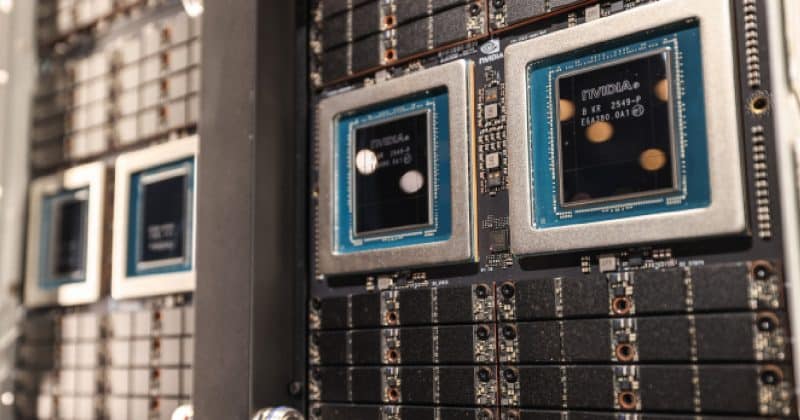
Kioxia’s backstory reads like a corporate reinvention playbook. The company was carved out of Toshiba’s memory division and has since positioned itself as a critical supplier in the NAND flash ecosystem. Its production capacity has been largely sold out, driven by the insatiable appetite of hyperscale data center operators building AI infrastructure.
Kioxia’s stock had surged somewhere between 540% and 700% over the preceding year, making it one of the most valuable companies on the Nikkei 225.
The company has also been preparing for a US depositary share listing planned for spring 2027.
What this means for investors
The sell-off does highlight a real risk that investors in the AI semiconductor supply chain need to grapple with. These stocks have been priced for perfection, and any wobble in the narrative, whether it’s an IPO delay, a valuation comment from a central banker, or simply a bad news day, can trigger outsized moves.
For Kioxia specifically, the upcoming US listing in spring 2027 becomes a critical event to watch. The company’s sold-out production capacity provides a floor of sorts. Unlike pure software plays that can see revenue evaporate quickly, Kioxia has committed buyers for its output.
Disclosure: This article was edited by Editorial Team. For more information on how we create and review content, see our Editorial Policy.







 English (US) ·