
 1 month ago
44
1 month ago
44
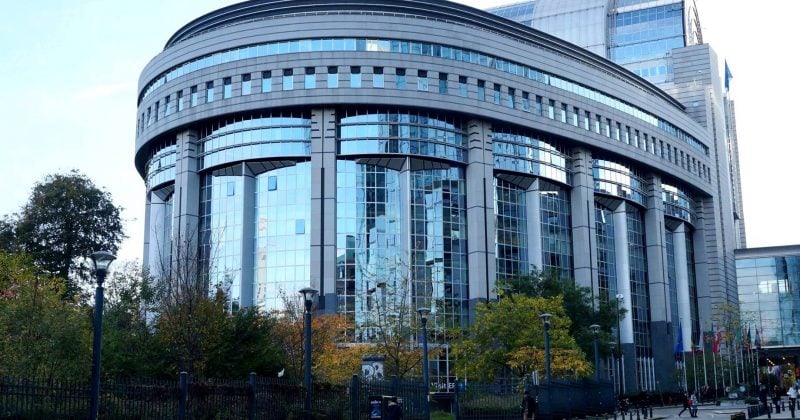
France just told Meta to sit down and talk. The country’s competition watchdog has ordered the social media giant to negotiate copyright payments with news organizations, escalating a dispute that’s been simmering for years over how much tech platforms should pay for reusing press content.
The money gap that started a war
Back in 2021, Meta struck a deal with French press publishers, represented by the Alliance de la presse d’information générale (APIG), worth over €20 million per year. Then came renewal time. Meta’s offer dropped to roughly €4 million annually — an 80% pay cut.
Publishers were unimpressed. APIG and several French media collectives filed a formal complaint with the Autorité de la Concurrence in October 2025, accusing Meta of abusing its dominant market position by refusing to negotiate fair compensation under France’s neighboring rights laws, known as “droits voisins.” The negotiations had been stalled for more than ten months before the complaint landed. Publishers described Meta’s reduced offer as “massive and unjustified.”
Europe’s regulatory playbook keeps getting thicker
France has been at the forefront of this fight since 2019, when it became one of the first countries to pass a law allowing press publishers to seek remuneration for the reuse of their content by tech platforms. Google was fined €250 million in March 2024 for failing to negotiate in good faith with publishers over similar neighboring rights obligations.
In May 2026, the Court of Justice of the European Union issued a ruling that reinforced the authority of national regulators to compel platforms like Meta to engage in negotiations with publishers for fair remuneration. Meanwhile, approximately 200 French media outlets filed a separate lawsuit against Meta in April 2025, targeting its online advertising practices. As of July 2026, the French competition authority has yet to reach a conclusive ruling on the neighboring rights complaint.
Why this matters beyond traditional media
The core question here is deceptively simple: when a platform profits from content it didn’t create, what does it owe the creators? That question doesn’t just apply to news publishers and Meta. It’s the same fundamental tension that animates debates about AI training data, music streaming royalties, and blockchain-based content ownership models.
Meta’s response to this order will be telling. The company can comply and negotiate something closer to the original €20 million figure, or it can dig in and risk penalties similar to what Google faced. Given that €250 million fine as a reference point, the math on resistance doesn’t look great.
Disclosure: This article was edited by Editorial Team. For more information on how we create and review content, see our Editorial Policy.










 English (US) ·