
The Nasdaq 100 options market is flashing a signal that would have seemed absurd 18 months ago: investors are more interested in betting on further gains than protecting against losses. The put-to-call volatility skew, a measure of how much more expensive downside protection is relative to upside bets, has collapsed to historic lows, and in some cases has fully inverted. The numbers behind the confidence The NDX put/call implied volatility spread fell to roughly 4% by late May 2026. For context, that same spread spiked to approximately 15.5% during stress periods in early 2025, when tariff fears and recession chatter had traders scrambling for protection. That’s a nearly four-fold compression in barely over a year. By August 2026, the 1-month put-to-call skew had dropped to 1.15 points, the lowest reading since April 2025. Then things got genuinely unusual. On September 15, QQQ’s 25-delta call implied volatility stood at 22.8%, while put IV sat at just 16.7%. That’s an inverted skew of negative 6.1 percentage points. In plain terms, traders were paying a premium for calls (upside bets) over puts (downside hedges), which is the opposite of how options markets typically behave. Goldm...
NASDAQ 100 put-to-call skew drops to historic low as investors turn bullish
 4 weeks ago
12
4 weeks ago
12
Related

SEC approves binary options tied to Coinbase volume and Bitc...
35 minutes ago
0

South Korea plans tougher crypto security after 16 hacks
41 minutes ago
0
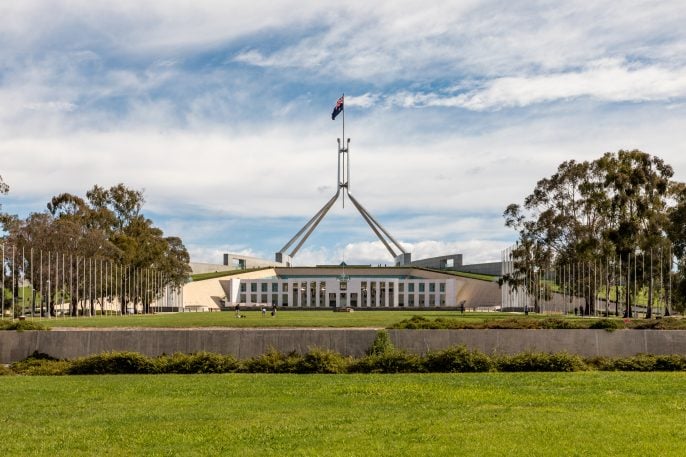
Australia faces risk of capital diversion from renewables to...
45 minutes ago
0

Bitcoin price drops below $81K as analyst warns of fall to $...
54 minutes ago
1

Tokenized Securities vs Ownership: What Investors Really Own...
59 minutes ago
0



Popular

Cardano Jumps 11 Percent: What ADA Holders Should Check Befo...
3 weeks ago
107

Middle East tensions drive global oil prices higher amid sup...
4 weeks ago
100

Bitcoin price tops $77K after BOJ lifts rates to 1.25%
3 weeks ago
75


Bitcoin price rebound faces major test at $83K
3 weeks ago
70
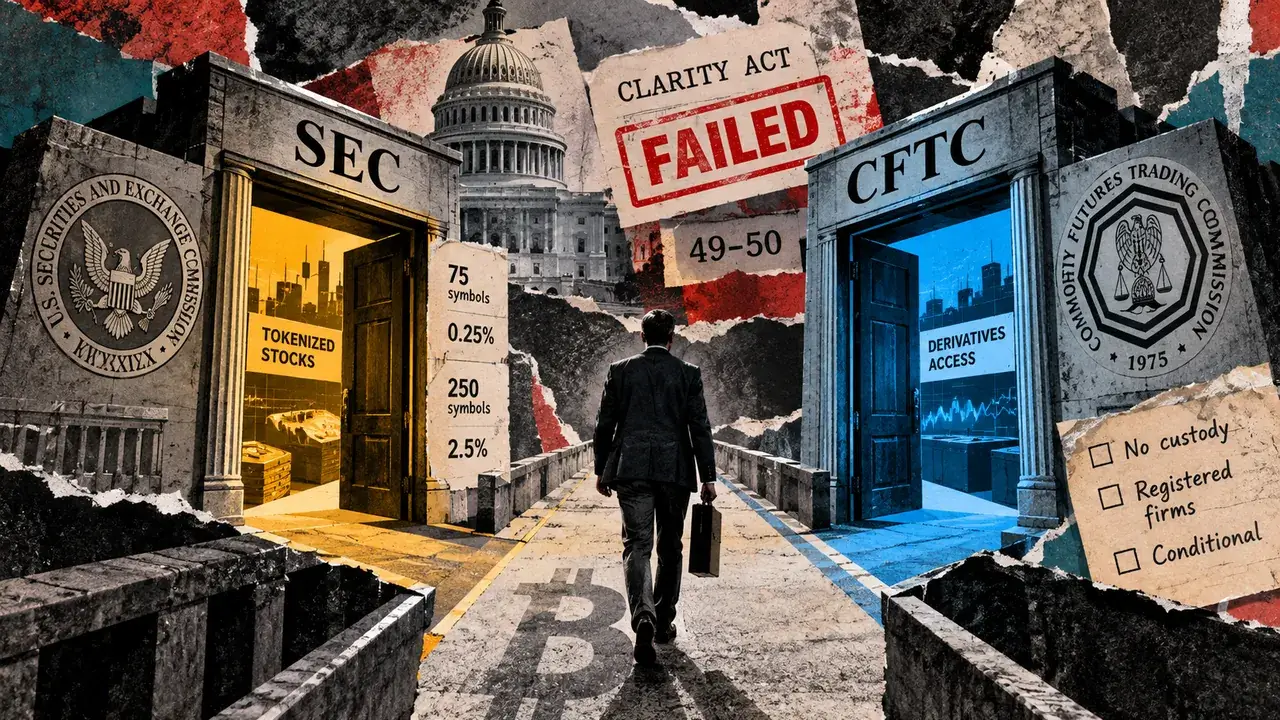
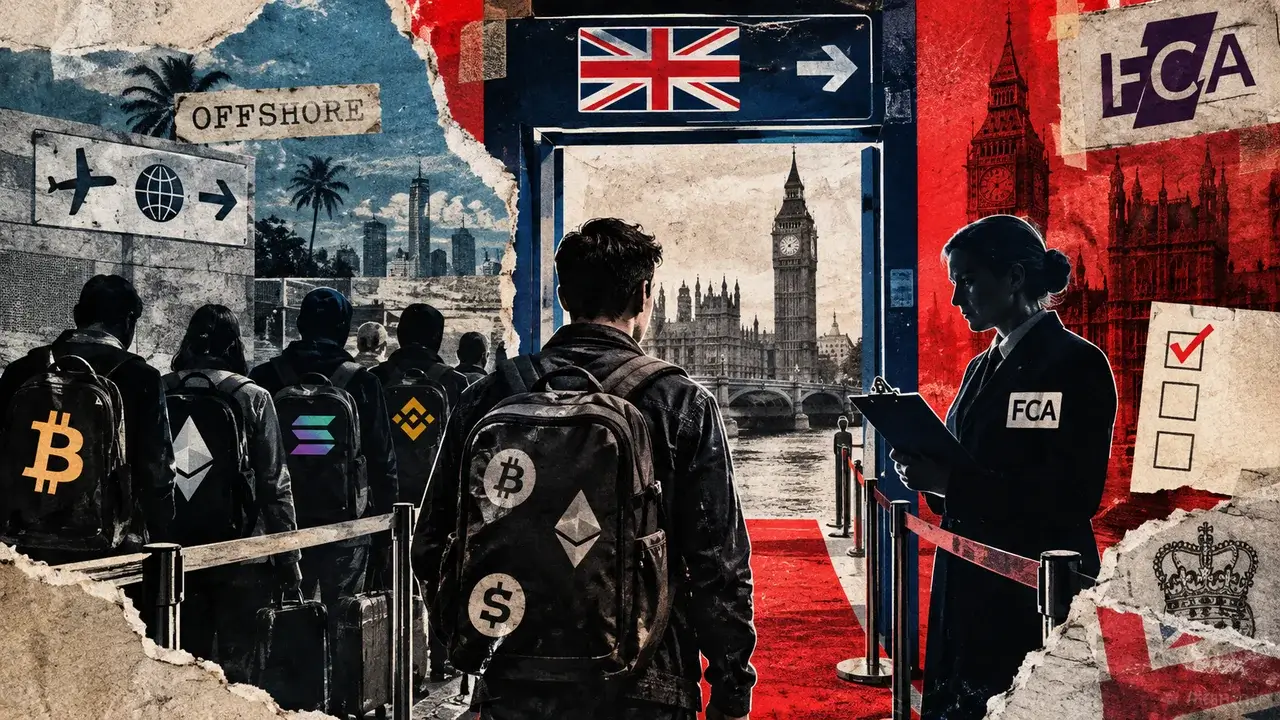

XRP logo lands on Louisville basketball court
4 weeks ago
64
 English (US) ·
 © Clint's Cryto News 2026. All rights are reserved
