
 1 month ago
31
1 month ago
31
South Africa’s central bank is about to do something it hasn’t done in three years: make borrowing more expensive.
The South African Reserve Bank is widely expected to raise its benchmark interest rate by 25 basis points to 7% at its Monetary Policy Committee meeting on May 28. If confirmed, this would mark the first rate increase since May 2023, ending a period of monetary easing that had brought the policy rate down to 6.75% by March 2026.
The culprit is familiar. Rising oil prices, fueled by the escalating Iran conflict, have pushed inflation higher and forced the SARB’s hand.
Inflation flipped the script
South Africa’s headline inflation jumped to 4.0% in April 2026, up sharply from 3.1% in March. That’s a meaningful move in a single month, and the primary drivers, transport and energy costs, point directly to the geopolitical turmoil roiling global oil markets.
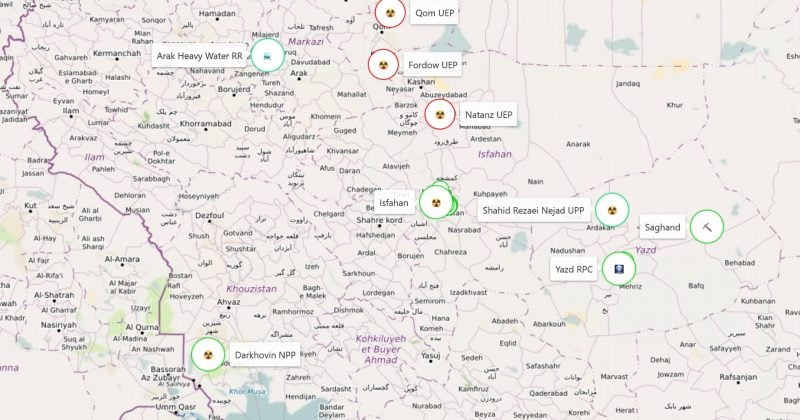
The Iran conflict, which has intensified since late February 2026, has kept crude prices stubbornly elevated. Some analyst scenarios have considered oil prices above $100 per barrel, a threshold that sends shockwaves through import-dependent economies like South Africa’s.
The SARB targets an inflation range of 3-6%. At 4.0%, headline inflation is still within that band, but a nearly full percentage point jump in one month suggests the pressure is building, not easing.
Analysts from Goldman Sachs and Bank of America are now forecasting further rate hikes in 2026, with inflation expected to average somewhere between 3.7% and 4% for the year. That represents a complete sentiment reversal. Just months ago, the market consensus leaned toward additional rate cuts.
What the rand is telling us
Despite the inflation scare, the South African rand has actually strengthened. The currency has been trading near multi-week highs of 16.3-16.6 against the US dollar in late May 2026.
Higher interest rates mean better yields on rand-denominated assets, which attracts foreign capital. Traders are front-running the expected hike, buying rand in anticipation of juicier returns.
The SARB itself has been signaling this move. Officials have warned of potential tightening due to persistently high inflation risks, essentially telegraphing the rate hike to avoid surprising markets.
What this means for investors
Higher borrowing costs in South Africa will make loans more expensive for consumers and businesses alike. That tends to cool spending, slow investment, and put downward pressure on asset prices, particularly rate-sensitive sectors like real estate and consumer discretionary stocks.
For South African bond investors, new issuances at higher yields become more attractive, but existing bonds with lower coupons lose value. Given that Goldman Sachs and Bank of America are already pricing in additional hikes, the market appears to be treating this as the beginning of a new tightening cycle rather than a one-off move.
For crypto investors, South Africa has one of the highest crypto adoption rates on the African continent. When traditional monetary policy tightens, the opportunity cost of holding non-yielding assets like Bitcoin increases, with rational capital flows moving toward higher-yielding, lower-risk instruments.
The key variable to watch is oil. If crude prices stay above $100 per barrel through the summer, the SARB’s May hike will likely be the first of several. If the Iran situation de-escalates and oil retreats, this could end up being a brief hawkish detour before the SARB resumes easing.
Disclosure: This article was edited by Editorial Team. For more information on how we create and review content, see our Editorial Policy.










 English (US) ·