
 1 hour ago
2
1 hour ago
2
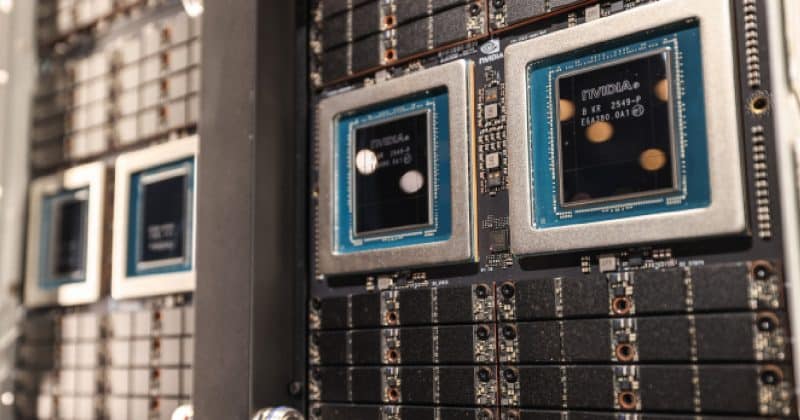
Meta just did something that made its own stock pop over 10% and simultaneously cratered an entire sector on the other side of the Pacific. The company announced plans to launch a cloud business that would sell its excess AI computing capacity to outside customers, effectively turning unused GPU cycles into a new revenue stream.
The immediate reaction was a tale of two markets. Meta shareholders were thrilled. South Korean chipmakers, specialized cloud providers, and anyone betting on the “build it and they will come” thesis for AI infrastructure? Not so much.
The Korean market carnage
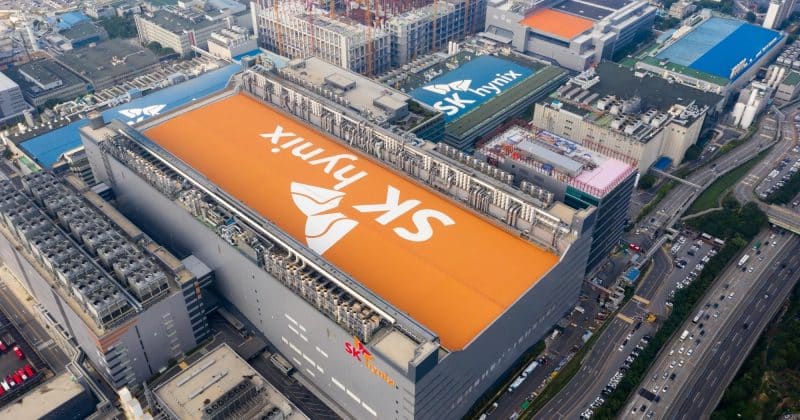
South Korea’s Kospi index plunged 8-10%, driven primarily by selloffs in the country’s two most important semiconductor names: SK Hynix and Samsung Electronics. Both companies are critical suppliers of high-bandwidth memory, the specialized chips that power AI workloads in data centers worldwide.
This is particularly uncomfortable because Korean chipmakers have committed roughly $518 billion to new AI-focused factories. The timing made it worse. Profit-taking was already in the air after a strong run for Korean chip stocks, and Meta’s announcement gave sellers exactly the narrative they needed to justify hitting the exit button.
Meta’s strategic pivot and the oversupply question
Meta’s projected AI infrastructure spending for 2026 sits at up to $145 billion. That’s one company. Across Big Tech, the industry-wide total is expected to exceed $700 billion for the year.
The collateral damage was immediate and specific. CoreWeave, which has built its entire business model around providing AI-optimized cloud computing, saw its shares drop 13%. Nebius Group, another specialized cloud provider, fell 15%. When the biggest social media company on the planet decides to compete with you using surplus capacity it already paid for, your margins become an endangered species.
What this means for crypto and risk assets
Korean chipmakers committing $518 billion to AI factories illustrates just how much traditional capital is flowing toward hardware. If the oversupply fears prove justified, excess capacity in AI compute could eventually benefit decentralized computing networks that aggregate and redistribute GPU resources, projects like Render, Akash, and similar protocols that position themselves as marketplaces for computing power.
When a single corporate announcement can wipe billions from chipmaker valuations across an entire country, it reveals how much of the current AI trade is built on expectations rather than confirmed demand. The gap between actual need and what is being built will determine whether the $700 billion spending spree looks visionary or reckless in hindsight.
Disclosure: This article was edited by Editorial Team. For more information on how we create and review content, see our Editorial Policy.













 English (US) ·