
 1 month ago
28
1 month ago
28
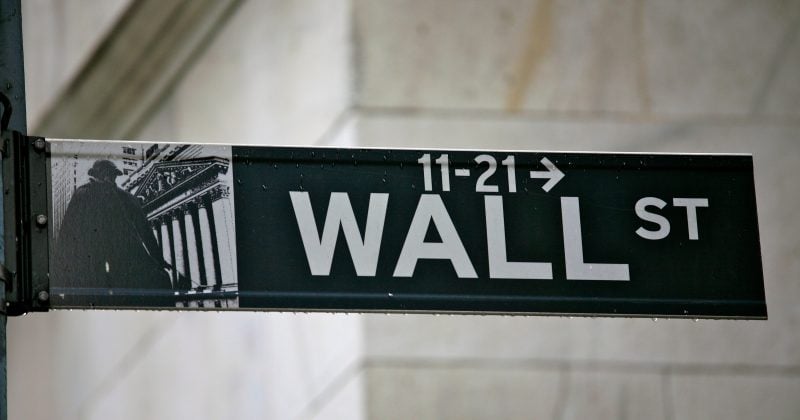
The quiet period is over, and Wall Street has opinions. Several of the biggest names in finance, including Goldman Sachs, Morgan Stanley, UBS, Wedbush, and Stifel, have initiated coverage on SpaceX following its June 2026 IPO. Price targets range from $165 to $300 per share. Morgan Stanley landed at the top with a $300 target. Wedbush and Stifel both pegged their targets at $190. Every major rating issued was a Buy or Outperform equivalent.
What the numbers actually look like
The IPO priced around $135 per share and raised approximately $75 billion, landing it among the largest public offerings in history. At those figures, SpaceX’s post-listing valuation was estimated between $1.5 trillion and $2 trillion. The ratings were formally initiated on July 7, 2026, once the mandatory quiet period following the IPO expired. Stock movement post-IPO has been anything but boring. Some trading sessions have seen price swings exceeding 10% in a single day.
Prior to the IPO, analysts not affiliated with the underwriting banks had valued SpaceX at roughly $780 billion, or around $63 per share on an equivalent basis. The new targets from Goldman, Morgan Stanley, and the rest imply a company worth more than double that independent estimate.
Why banks love the story
The bull case for SpaceX rests on two pillars. First is its position in the orbital launch market. Second is Starlink, the satellite broadband network, with the addressable market spanning rural connectivity, maritime services, aviation, and direct-to-device mobile.
What investors need to watch
The gap between the bullish bank targets and the independent pre-IPO estimates is the most important thing to track from here. Banks that managed a $75 billion IPO have an interest in a successful aftermarket. That said, Goldman, Morgan Stanley, UBS, Wedbush, and Stifel do not all reach the same conclusion by accident. The volatility is the near-term risk worth taking seriously. Double-digit daily swings on a multi-trillion-dollar company are unusual and suggest the market is still finding equilibrium between different investor bases with very different time horizons.
Disclosure: This article was edited by Editorial Team. For more information on how we create and review content, see our Editorial Policy.









 English (US) ·