
 1 hour ago
1
1 hour ago
1
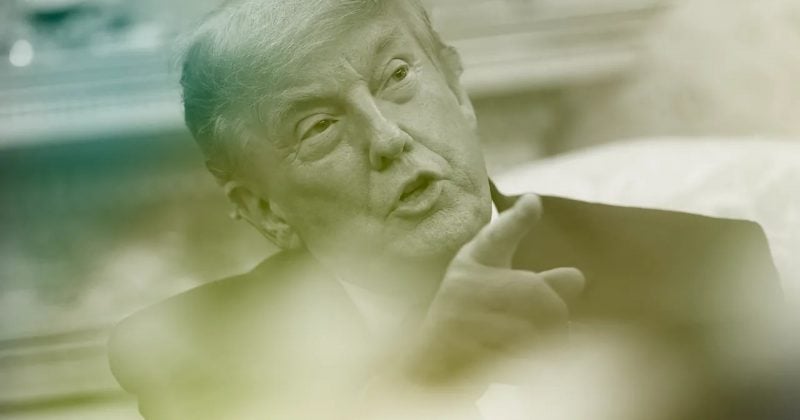
In a statement that could potentially escalate tensions, former President Donald Trump suggested that the United States might eliminate Iran’s Islamic Revolutionary Guard Corps (IRGC) if diplomatic solutions fail. This remark comes amid an ongoing US-Israeli military campaign against Iran, initiated after the death of Supreme Leader Khamenei and growing nuclear tensions. The IRGC, a key component of Iran’s military structure, has been a focal point of international sanctions and designations as a terrorist organization by several countries, including the United States. Trump’s comparison to the ISIS elimination strategy indicates a possible shift towards more aggressive military actions targeting Iran’s military capabilities and proxy networks.
Key Takeaways
- Trump’s statement appears to indicate a possible intensification of military actions against Iran, potentially diminishing the likelihood of a diplomatic resolution.
- The market reaction suggests a decrease in the perceived probability of a US-Iran deal in 2026, with YES odds falling across several active sub-markets.
- Markets appear to interpret increased military actions as consistent with scenarios where diplomatic negotiations remain stalled.
What to Watch
Monitoring developments in the US-Iran negotiations will be crucial as Trump’s statements may further complicate diplomatic efforts. Key actors, including US negotiators and international mediators, could influence the direction of future talks. Any new military actions or diplomatic initiatives could significantly impact market sentiment, particularly if they suggest a shift towards either escalation or renewed dialogue. The outcome of these negotiations will likely hinge on both sides’ willingness to compromise on key issues such as uranium enrichment and military activities.
Get live prediction-market analysis, powered by Vera. Sign up for Vera.
Disclosure: This article was edited by Estefano Gomez. For more information on how we create and review content, see our Editorial Policy.










 English (US) ·